
There is a particular kind of quiet that settles over you on a still lake at dawn, watching a painted stork lift off a mudflat in a wash of pink light, coffee in hand, no itinerary pressing on you for the next three hours. This is the appeal of birdwatching as a luxury pursuit — not the checklist-driven urgency of the die-hard twitcher, but something slower, more sensory, closer to meditation than sport.
South India happens to be one of the finest places on earth to have this experience without sacrificing an ounce of comfort. The region’s luxury bird sanctuaries in South India combine exceptional birdwatching with beautiful natural settings, private experiences, and some of India’s finest boutique and five-star properties. Between the backwaters of Kerala, the forested river systems of Karnataka, and the ancient tanks of Tamil Nadu, the region holds a remarkable concentration of wetlands, reservoirs, and protected forests that draw resident and migratory birds by the tens of thousands — all set within reach of some of India’s most celebrated boutique and five-star properties.
This guide brings together South India’s best bird sanctuaries in South India and pairs each with the luxury stays that make them genuinely comfortable to visit — not just accessible, but indulgent. For travelers who want to extend their experience beyond birdwatching into broader wildlife encounters, a South India Wildlife Tour can provide a natural complement to a bird-focused itinerary. Whether you’re a serious birder who also expects a great glass of wine at the end of the day, or a luxury traveler curious about adding a slower, nature-led chapter to their itinerary, this is your complete reference to birdwatching destinations in South India, luxury birdwatching in Kerala, and migratory bird sanctuaries in South India.
Why South India Is a Destination for Luxury Bird Sanctuaries
South India’s geography does a lot of the work for you. The Western Ghats — a UNESCO World Heritage mountain range running down the western edge of the peninsula — funnel monsoon rainfall into a network of rivers, backwaters, and reservoirs that support extraordinary biodiversity, including several hundred bird species found nowhere else on the subcontinent. Add to that a string of centuries-old irrigation tanks in Tamil Nadu that double as major migratory stopovers, and you have a region where luxury bird sanctuaries in South India sit within an hour or two of a spa, an infinity pool, and a properly curated wine list.
Unlike birding trips that demand rustic camps and long overland transfers, several of South India’s most productive sanctuaries sit directly beside — or a short boat ride from — some of the country’s most awarded resorts. This is a rare combination: genuine ecological significance paired with genuine comfort.
The peak season for most of these destinations runs from November to February, when migratory birds arrive from as far as Siberia, Central Asia, and the Himalayas, though several sanctuaries are rewarding to visit year-round.
7 Luxury Bird Sanctuaries in South India
1. Kumarakom Bird Sanctuary, Kerala — Backwaters and Five-Star Serenity
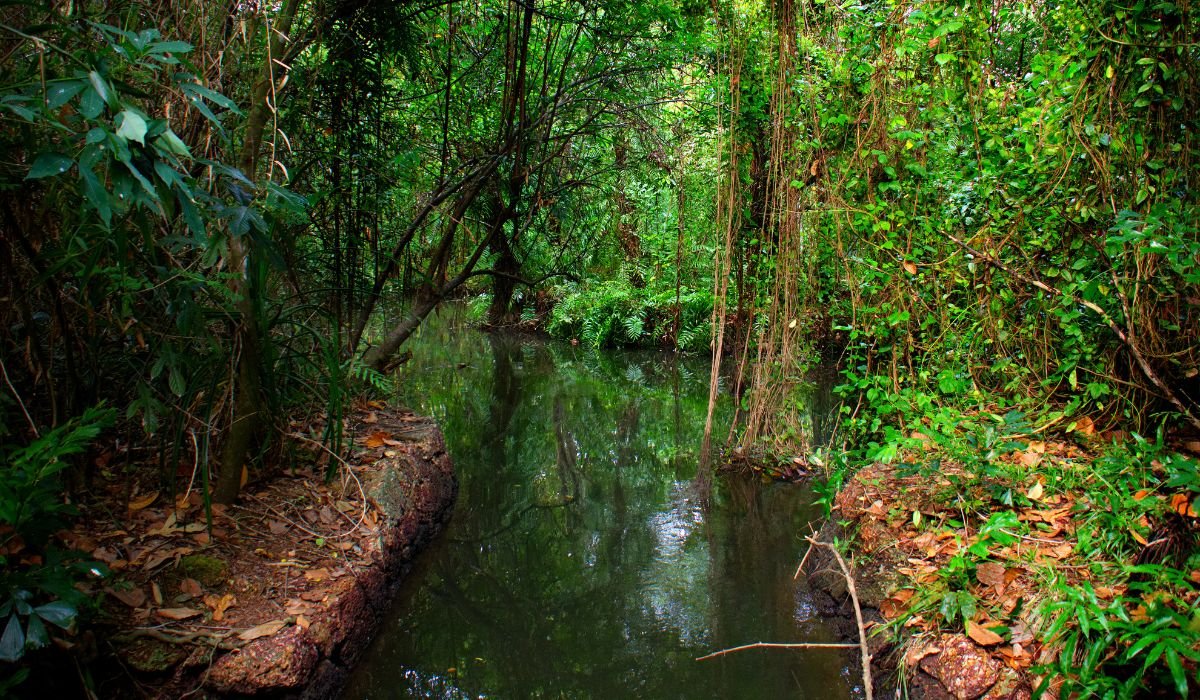
Best for: Travelers who want birding woven into a classic Kerala backwater holiday, with minimal effort and maximum comfort.
Kumarakom sits on the eastern shore of Vembanad Lake, Kerala’s largest lake and one of India’s most significant wetland ecosystems. The sanctuary itself is modest in size — a former rubber estate turned mangrove and marsh habitat — but its position on the migratory flyway makes it disproportionately rewarding. Resident cormorants, darters, egrets, and herons share the trees with seasonal visitors including Siberian storks, ospreys, and teal, and the surrounding lake and paddy fields extend the birding well beyond the sanctuary’s official boundary. For travelers interested in luxury birdwatching in Kerala, this combination of rich wetland habitat and easy access makes Kumarakom particularly appealing.
What sets Kumarakom apart for the luxury traveler is that the birding barely requires you to leave your resort. Several of Kerala’s most celebrated backwater properties sit directly on Vembanad Lake, within a short boat ride of the sanctuary itself. Guests can combine Kumarakom bird sanctuary tours with private boat excursions, leisurely birdwatching in Vembanad Lake, and a comfortable stay at a luxury backwater resort — making it one of the most convenient luxury birding destinations in Kerala.
Where to stay:
Kumarakom Lake Resort — regularly cited among India’s finest heritage resorts, with traditional Kerala-style villas, several with private pools, set directly on the lake.
Taj Kumarakom Resort & Spa — positioned right beside the bird sanctuary, with houseboat-style suites and an Ayurvedic spa overlooking the water.
Coconut Lagoon (CGH Earth) — accessible only by boat, built from reassembled heritage Kerala homes (tharavads), and one of the more atmospheric luxury stays in the region.
The Zuri Kumarakom Kerala Resort & Spa — a five-star property directly on the Vembanad shoreline with extensive water-facing rooms.
The experience: Most resorts here run their own early-morning canoe or houseboat birding excursions through the sanctuary’s canals — a far more intimate way to see the birdlife than a standard tour boat, since you can drift silently rather than motor through. Pair a dawn outing with an afternoon Ayurvedic treatment and a sunset seafood dinner by the lake, and you have one of South India’s most complete luxury nature days.
Best time to visit: June to October for the largest concentrations of nesting and migratory birds, though the resorts themselves are worth visiting year-round.
2. Thattekad Bird Sanctuary, Kerala — The Serious Birder’s Rainforest
Best for: Travelers who want genuinely world-class birding — endemic species, high count numbers, expert guiding — without giving up boutique comfort.
Thattekad, officially the Salim Ali Bird Sanctuary (named for India’s most celebrated ornithologist, who once called it one of the richest bird habitats in peninsular India), is the region’s connoisseur’s pick. Tucked into the low-elevation rainforest near the Idukki foothills, it holds an outsized concentration of species for its relatively compact size, including several Western Ghats birdwatching highlights and endemic species that serious birders travel specifically to see, alongside the elusive Sri Lanka frogmouth and multiple owl species best spotted on guided night walks.
This is not a drive-through sanctuary — it rewards early starts, patient guiding, and a slower pace, which is precisely where a well-chosen luxury stay earns its keep. For travelers seeking luxury birding in Kerala, the combination of specialist guiding and forest habitat makes Thattekad particularly rewarding.
Where to stay: Thattekad itself has limited five-star infrastructure directly on-site, so most luxury travelers base themselves at a refined plantation stay in the surrounding hills and treat the sanctuary as a dedicated half- or full-day excursion with a specialist naturalist guide — a model most high-end Kerala properties are well equipped to arrange. Boutique plantation retreats in the nearby Western Ghats foothills, several with their own private forest trails and resident naturalists, are an excellent complement, letting you combine a Thattekad bird sanctuary excursion with days spent birding, walking, and dining amid tea and spice estates.
The experience: Engage a specialist birding naturalist — most of Kerala’s top resorts can arrange one — rather than a general-purpose driver-guide. The difference in what you’ll actually see and identify is considerable. Early morning (5:30–9:00am) and late afternoon are, as with most tropical forest birding, the most productive windows.
Best time to visit: November to April for the most comfortable walking conditions and strong resident bird activity.
3. Periyar Tiger Reserve, Thekkady, Kerala — Birding Amid Cardamom Hills
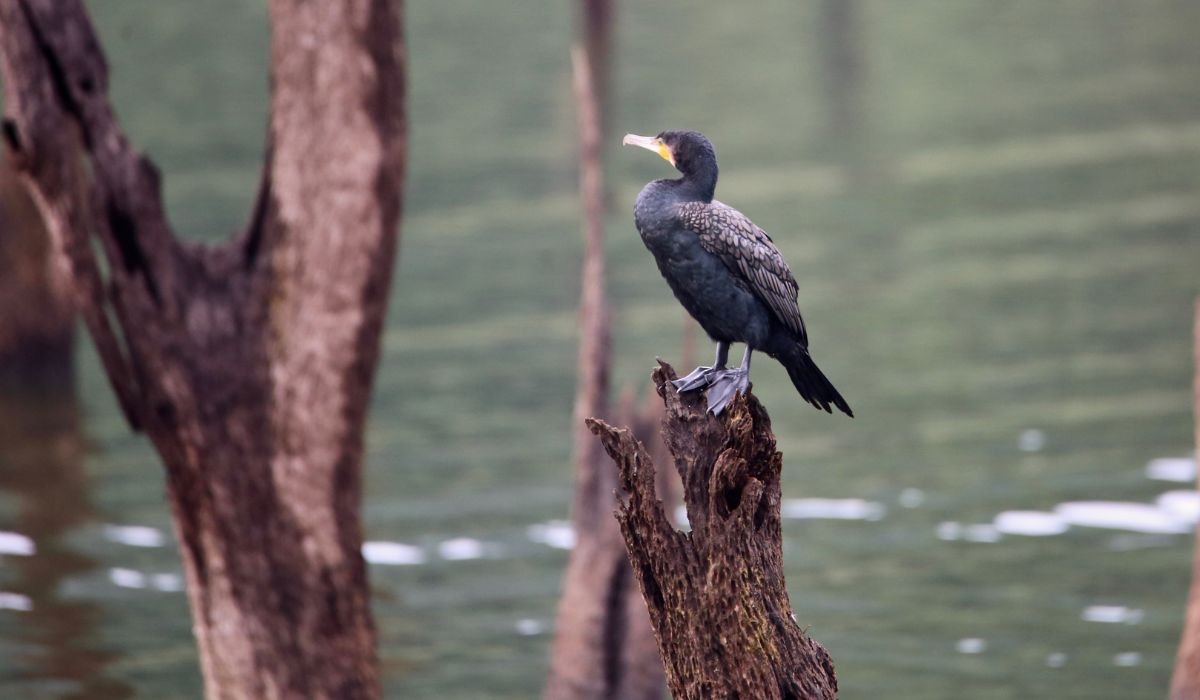
Best for: Travelers combining birding with wildlife, spice-estate culture, and genuinely distinctive eco-luxury architecture.
Periyar is best known internationally for its lake safaris in search of elephants and, occasionally, tigers, but the reserve’s forests and reservoir edges also support prolific birdlife, including the great Indian hornbill, racket-tailed drongo, Malabar grey hornbill, and a wide range of raptors. Because Periyar sits at altitude in the Cardamom Hills, birdwatching in Periyar comes with a cooler climate and a genuinely different landscape from the coastal backwaters — misty tea and cardamom estates rather than palm-fringed lakes.
Where to stay:
Spice Village (CGH Earth) — a widely admired eco-luxury property built in the style of traditional Mannan tribal dwellings, set within spice gardens a short walk from the Periyar reserve boundary. It deliberately forgoes air conditioning and televisions in favor of natural ventilation and immersion, while still delivering five-star service, a full Ayurveda center, and one of the region’s most distinctive dining experiences.
Shalimar Spice Garden — an intimate luxury property with 18 suites set amid cardamom-covered hills adjoining the wildlife sanctuary.
Cardamom County — a boutique plantation-style resort known for its spice-garden setting and quieter, more secluded feel.
The experience: Beyond the boat safari on Periyar Lake, ask your resort to arrange a private guided walk through the buffer zone forest at dawn — this is where the serious birding happens, away from the boat traffic. Many properties also offer spice-plantation walks that double as excellent birding, since Western Ghats bird species such as sunbirds, barbets, and flycatchers are frequent visitors to flowering cardamom and pepper vines.
Best time to visit: October to March, when the weather is cool and dry and wildlife concentrates around the reservoir, making it an appealing choice for travelers seeking luxury wildlife resorts in Kerala.
4. Ranganathittu Bird Sanctuary, Karnataka — River Islands and Palace-Grade Luxury
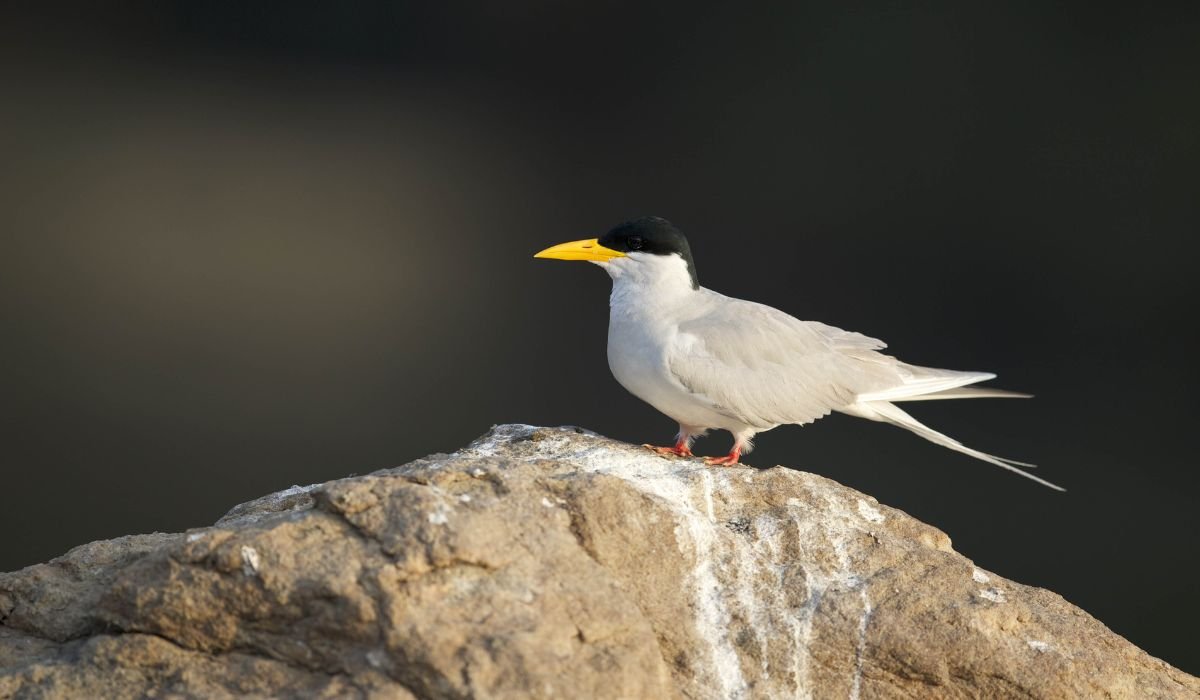
Best for: Travelers who want dramatic, high-density birdlife viewed from a boat, paired with Karnataka’s most celebrated wildlife lodges.
Ranganathittu is a cluster of small islets on the Kaveri River near Mysuru, and it is, quite simply, one of the most photogenic birdwatching destinations in Karnataka. Painted storks, spoonbills, open-billed storks, and cormorants nest here in dense colonies, often at eye level from a slow-moving boat, with marsh crocodiles basking on the banks below. It’s compact, easy to visit in a couple of hours, and consistently one of the most rewarding short birding excursions in South India.
Where to stay: Ranganathittu pairs naturally with two very different luxury bases. If you want to stay close to Mysuru’s palace heritage, the city’s five-star hotels put you within a 20-minute drive of the sanctuary. If you’d rather build a longer wildlife-focused stay, the Kabini River region — about 90 minutes away and bordering Nagarhole National Park — is home to some of India’s most awarded luxury wildlife lodges in Karnataka:
Evolve Back, Kabini (formerly Orange County) — widely regarded as one of India’s finest wildlife resorts, with individual thatched pool villas inspired by the local Kadu Kuruba tribal Hadis, an infinity pool over the Kabini River, and a full Ayurvedic spa. Guests combine jungle safaris in Nagarhole with river birding by coracle.
Boutique riverside lodges around Kabini and Bandipur offering guided boat safaris where cormorants, darters, kingfishers, and osprey sightings are routine alongside elephant and gaur.
The experience: Book the earliest available boat slot at Ranganathittu Bird Sanctuary — bird activity and photographic light are both dramatically better before mid-morning. If you’re based at Kabini, ask your lodge to combine a Ranganathittu detour with your safari itinerary; many can arrange this as a private add-on.
Best time to visit: June to October for peak nesting activity, though the sanctuary is worth a visit for most of the year.
5. Vedanthangal Bird Sanctuary, Tamil Nadu — India’s Oldest Sanctuary, Refined City Access
Best for: Travelers based in Chennai or Mahabalipuram who want a serious birding detour without leaving the coast for long.
Vedanthangal has a claim few sanctuaries can match: it’s one of the oldest bird sanctuaries in the world, protected by local custom since the 18th century and formally declared a sanctuary by the British in 1798, making it the oldest of its kind in India. Despite its modest 30-hectare size, it draws staggering numbers of migratory birds in Tamil Nadu each winter — open-billed storks, herons, egrets, ibises, and pelicans crowd the lake’s central trees in scenes that look almost too dense to be real.
Where to stay: Vedanthangal itself has no luxury infrastructure on-site — this is a half-day excursion, not a destination stay — but it sits within comfortable striking distance of two very different luxury bases:
Mahabalipuram’s beach resorts, including well-known five-star coastal properties on the Coromandel Coast, make an excellent base if you’re already exploring the region’s UNESCO-listed shore temples and rock-cut monuments — a natural pairing of heritage and birdwatching near Chennai in a single trip.
Chennai’s five-star hotels, for travelers who prefer a city base with a dedicated day trip (roughly 90 minutes each way by private car).
The experience: Go at dawn or late afternoon — the two windows when bird activity peaks and the light is best for photography. Most luxury resorts in the Mahabalipuram–Chennai corridor can arrange a private car and naturalist guide for the excursion, making it an easy half-day addition to a coastal heritage itinerary.
Best time to visit: November to February, when the sanctuary hosts its largest migratory populations and becomes one of the most rewarding Tamil Nadu bird sanctuaries to visit.
6. Point Calimere (Kodikkarai) Wildlife and Bird Sanctuary, Tamil Nadu — Wild Coast, Heritage Stays

At the southeastern tip of Tamil Nadu, where the Palk Strait meets the Bay of Bengal, Point Calimere bird sanctuary is one of South India’s wildest and least visited coastal sanctuaries — a mix of dry evergreen forest, mangroves, and tidal mudflats that hosts flamingos, pelicans, storks, and other migratory birds in South India in a landscape unlike anywhere else on this list. It’s also one of the few places in South India where you can combine serious birding with blackbuck sightings, since the sanctuary was originally established to protect the species.
Where to stay: There’s no five-star property directly at Point Calimere, and that’s rather the point — the luxury here comes from pairing the excursion with the extraordinary heritage hotels of the nearby Chettinad and Thanjavur region, among India’s most distinctive small-luxury experiences:
Restored Chettinad heritage mansions, several converted into boutique hotels, celebrated for their courtyard architecture, antique furnishings, and regional Chettinad cuisine.
Boutique heritage stays around Thanjavur, letting you combine a Point Calimere excursion with visits to the Brihadishvara Temple and other Chola-era UNESCO sites.
The experience: This is a longer day trip than the others on this list, so it rewards travelers who’ve built in enough time to treat it as a full-day excursion from a Chettinad or Thanjavur base, ideally arranged with a private naturalist guide familiar with the sanctuary’s more remote trails. For travelers interested in birdwatching in Tamil Nadu, the remoteness is part of the appeal.
Best time to visit: November to February for peak migratory activity; the dry evergreen forest is also notably cooler and greener just after the northeast monsoon.
7. Kadalundi Bird Sanctuary, Kerala — An Estuary Escape Near the Malabar Coast
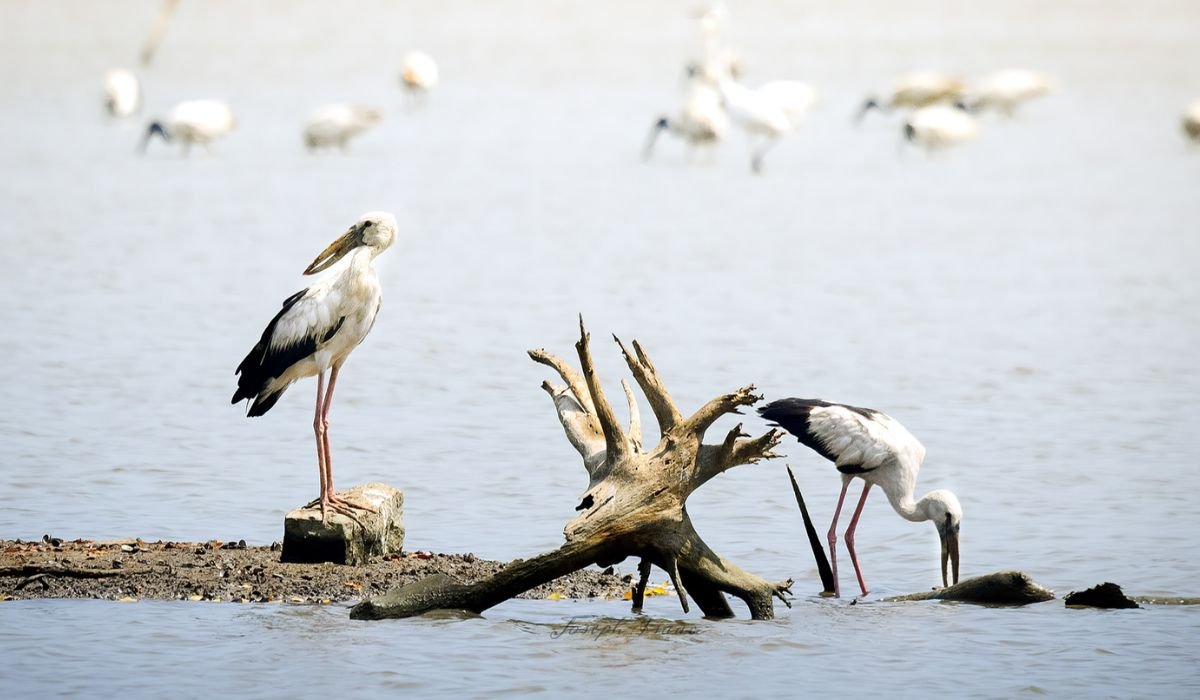
Best for: Travelers exploring Kerala’s less-touristed northern Malabar coast who want a boutique, low-crowd birding detour.
Where Kumarakom and Thekkady sit on Kerala’s well-worn southern tourist circuit, Kadalundi offers a quieter alternative further north, near Kozhikode (Calicut). Set where the Kadalundi River meets the Arabian Sea, the sanctuary’s mudflats, mangroves, and estuarine islands attract more than a hundred species, with particularly strong sightings of migratory birds in Kerala, waders, terns, and gulls between November and March. It’s a smaller, gentler experience than the reservoir-and-forest sanctuaries further south — closer in spirit to a peaceful coastal walk than an organized safari.
Where to stay: Kozhikode and the nearby Malabar coastline have a growing boutique luxury scene, including heritage-inspired beach properties and refined backwater retreats along the Beypore and Kappad coastline, both within easy reach of the sanctuary. This makes Kadalundi an appealing addition for travelers building a northern Kerala itinerary around Wayanad, Kozhikode, and the Malabar coast, rather than the more heavily trodden Kochi-to-Kumarakom route. It also makes the area an appealing option for travelers exploring birdwatching in Malabar.
The experience: Low tide is the key variable here rather than time of day — mudflat exposure at low tide is when wading birds are most visible and active, so check tide tables before planning your visit rather than relying on a fixed morning slot. This makes Kadalundi one of the more distinctive Kerala bird sanctuaries for travelers seeking a quieter experience.
Best time to visit: November to March, aligned with the broader South Indian migratory season.
FAQs – Luxury Bird Sanctuaries in South India
Do I need to be an experienced birder to enjoy these trips?
Not at all. Every sanctuary on this list is entirely approachable for a first-time birdwatcher, particularly when paired with a good naturalist guide who can point out and explain what you’re seeing. The luxury framing of this guide is deliberate — these are places designed to be enjoyed at a relaxed pace, not endurance tests for hardcore listers.
How many sanctuaries can I realistically combine in one trip?
Two to three is a comfortable target for a 10–14 day South India itinerary, given the travel time between Kerala, Karnataka, and Tamil Nadu. Trying to cover all six or seven in a single trip is possible but turns the journey into a wildlife marathon rather than a leisurely luxury experience — better to pick a regional cluster (Kerala’s backwaters and hills, or Karnataka’s Kabini-Mysuru circuit, or Tamil Nadu’s coastal-heritage belt) and go deep rather than wide.
Is November to February really the only good time to visit?
It’s the most reliable window for migratory bird numbers across most of these sanctuaries, but it isn’t the only option. Kumarakom and Ranganathittu actually peak earlier, from June through October, tied to local nesting seasons rather than winter migration. Resident species are visible at all these sanctuaries year-round, so even outside peak migratory season, a well-guided visit is worthwhile — just set expectations accordingly.
Are these sanctuaries suitable for a honeymoon or a special occasion trip?
Very much so. Several of the properties mentioned in this guide — Kumarakom Lake Resort, Evolve Back Kabini, and Spice Village among them — are established honeymoon and anniversary destinations in their own right, independent of the birding. Pairing a private canoe outing or a dawn safari with a couple’s spa treatment is a well-worn and reliably excellent combination in this part of India.
Do I need special permits to visit these sanctuaries?
Most require a standard entry ticket and, in some cases, a separate boat safari fee, both payable on-site or arrangeable through your resort’s travel desk. None require advance government permits in the way that some of India’s tiger reserves do, though booking boat slots in advance during peak season (particularly at Periyar and Ranganathittu) is strongly advisable, and your resort concierge can usually handle this for you.
Planning a Luxury Bird Sanctuaries Trip in South India
Build it around a natural geography, not a checklist. Kumarakom, Thattekad, and Periyar cluster naturally in Kerala and can be linked into a single backwaters-to-hills itinerary. Ranganathittu pairs well with a Karnataka wildlife circuit through Kabini and Mysuru. Vedanthangal and Point Calimere sit within Tamil Nadu’s coastal and heritage belt, easily combined with Mahabalipuram, Chennai, Chettinad, or Thanjavur.
Invest in a specialist naturalist, not just a driver. The single biggest difference between an ordinary birding excursion and a genuinely memorable one is the guide. Most of the properties named above can arrange dedicated birding naturalists — worth requesting specifically when you book, rather than assuming a general wildlife guide will do.
Time your mornings deliberately. Across nearly every sanctuary on this list, the first two hours after sunrise are dramatically more productive than any other time of day, both for bird activity and for photographic light. A 5:30am departure sounds like a sacrifice from a luxury resort bed — until you’re on the water watching a thousand storks lift off at once.
Pack for comfort, not just for birding. Lightweight neutral-toned clothing, a good pair of binoculars (8×42 is the standard recommendation for most birders), a wide-brimmed hat, and reef-safe sun protection will serve you well. Many top-tier resorts now stock binoculars and field guides for guests, but serious birders will want their own.
Respect the sanctuaries as working conservation sites. Several of these — Vedanthangal in particular — are Ramsar-recognized wetlands of international importance, not staged tourist attractions. Keep noise to a minimum, stay on designated paths and boats, and follow your naturalist’s lead on distance from nesting colonies.
Season shapes the experience more than location does. November through February is the broad sweet spot across South India for migratory bird numbers and pleasant weather, though Kumarakom and Ranganathittu peak slightly earlier, from June through October, tied to the local nesting season rather than winter migration. It’s worth confirming timing against your specific sanctuaries of interest rather than assuming one calendar fits all six.
Final Thoughts – Luxury Bird Sanctuaries in South India
What makes South India distinctive as a luxury birding destination isn’t just the sheer density of species — though that alone would justify the trip — it’s how seamlessly the birding integrates into an already exceptional travel experience. You can watch painted storks nest from a canoe before breakfast at Kumarakom, track Western Ghats endemics through rainforest canopy at Thattekad, and still be back in time for a spa treatment and a candlelit dinner by the backwaters. Few destinations in the world let you move this fluidly between serious wildlife encounters and genuine five-star comfort.
For the luxury traveler willing to set an early alarm a few times during their trip, South India’s bird sanctuaries offer something increasingly rare: a slower, quieter, deeply immersive kind of luxury — one measured in wingbeats and stillness rather than thread counts alone.