
One of the most common questions we hear from travelers in the UK, US, Australia and other overseas markets is simple: When is the best time to visit South India?
The answer depends on where you are going and what you want to experience.
South India is not one uniform climate zone. Kerala’s tropical coast, Tamil Nadu’s temple towns, Karnataka’s heritage cities, Western Ghats hill stations and wildlife reserves can all experience noticeably different conditions at the same time.
For most first-time travelers planning a multi-region journey, October to March is the easiest period for comfortable sightseeing, with generally favorable conditions across many popular destinations. However, travelers interested specifically in Ayurveda, monsoon landscapes or hill stations may find other months equally attractive.
If you’re planning a tailor-made journey around the region, you can also explore our Luxury South India Tour Packages and build your itinerary around your preferred dates, destinations and experiences.
What Is the Best Time to Visit South India?
For most first-time visitors, October to March is the most convenient travel window.
This period generally offers comfortable conditions for exploring South India’s major cultural, natural and heritage attractions. Karnataka Tourism describes October to February as a particularly favorable period for sightseeing, wildlife and cultural experiences, although conditions vary across the state.
That does not mean the rest of the year should be avoided.
- October to February: Generally the most comfortable period for sightseeing and multi-region trips
- March: A useful shoulder-season option, especially if you want fewer crowds
- April to May: Hotter across many lowland destinations, but attractive for hill stations
- June to September: Southwest monsoon affects Kerala and parts of Karnataka; excellent for travelers seeking greenery and wellness experiences
- October to December: Kerala can also experience its northeast monsoon, so rainfall does not simply end when the southwest monsoon retreats
The right month therefore depends as much on your travel style as the weather itself.
October to February: Peak Travel Season
This is the most popular period for many international travelers, and there is a good reason for that.
Across much of South India, temperatures become more comfortable for sightseeing, while many popular destinations experience relatively favorable conditions. Karnataka Tourism specifically describes October to February as a comfortable period for exploring the state, including its cities, cultural attractions and wildlife areas.
Kerala, Tamil Nadu and Karnataka can still differ considerably, but this is generally the easiest season for travelers who want to combine several regions in one itinerary.
Best for:
- Kerala backwater cruises
- Temple and heritage tours
- Wildlife experiences
- Beach holidays
- Hill stations
- Luxury resort stays
- Multi-state private tours
The trade-off
This is also the busiest travel period.
Luxury houseboats, heritage properties, premium resorts and experienced private guides can become heavily booked around Christmas, New Year and the winter holiday period.
If you are traveling in December or January, booking several months ahead is sensible, particularly if you have specific hotels or houseboats in mind.
Who should choose this season?
October to February is particularly suitable for first-time visitors who want a broad South India experience without making weather a major constraint.
March: The Shoulder-Season Sweet Spot
March is an underrated option for travelers who want a balance between weather, availability and crowds.
The month sits between the cooler high season and the hotter months that follow. Conditions can still be comfortable in many destinations, although temperatures begin rising on the plains and in parts of Tamil Nadu and Karnataka.
Best for:
- Flexible travelers
- Private luxury tours
- Hill-station combinations
- Wildlife-focused itineraries
- Travelers looking for fewer crowds
The trade-off
By late March, some lowland destinations can become noticeably warmer.
If you are planning a temple-heavy itinerary through Tamil Nadu or a long sightseeing program across inland areas, consider the heat when choosing your daily schedule.
April to May: Hot Season
April and May are among the hottest months across many lowland parts of South India.
Long sightseeing days in cities and temple towns can become tiring, particularly when temperatures climb during the afternoon.
That does not make these months unsuitable for every traveler.
Where April and May can work well
Hill stations can be a different story.
Destinations such as:
- Munnar
- Ooty
- Coorg
can offer a cooler alternative to the plains.
These months can therefore work well for travelers who build a trip around hill stations, luxury resorts and slower-paced experiences rather than attempting an intensive sightseeing itinerary in the lowlands.
Best for:
- Hill-station escapes
- Resort holidays
- Shorter itineraries
- Travelers comfortable with heat
- Flexible private itineraries
The trade-off
If your main goal is walking through Tamil Nadu’s major temple towns or covering several cities in a short period, the heat can make the experience less comfortable.
For a first visit focused heavily on cultural sightseeing, the cooler months are generally easier.
June to September: Southwest Monsoon
The southwest monsoon changes the character of South India.
Kerala becomes especially lush, while parts of Karnataka, particularly the western and coastal areas, can experience substantial rainfall.
Kerala Tourism notes that the southwest monsoon arrives around June and that the state also experiences a second rainy period associated with the northeast monsoon from around October.
This means that “monsoon season” should not be treated as one identical period across the entire region.
Best for:
- Ayurveda and wellness retreats
- Luxury resort stays
- Lush landscapes
- Slow travel
- Travelers who enjoy dramatic weather
- Photography
- Flexible itineraries
Ayurveda and monsoon travel
Monsoon travel can be particularly appealing to wellness-focused visitors.
Kerala Tourism describes the monsoon as a traditional period associated with rejuvenation therapies in Ayurveda, with the cooler, humid environment considered favorable for certain treatments.
For that reason, some wellness travelers deliberately choose the rainy season rather than treating it as an off-season.
The trade-off
Heavy rainfall can affect:
- Outdoor sightseeing
- Road journeys
- Wildlife activities
- Houseboat schedules
- Travel between regions
If your priority is visiting as many attractions as possible in a short period, monsoon travel requires more flexibility.
If your priority is wellness, nature and slower luxury travel, however, it can be an entirely different and rewarding experience.
Late September to October: A Regional Transition
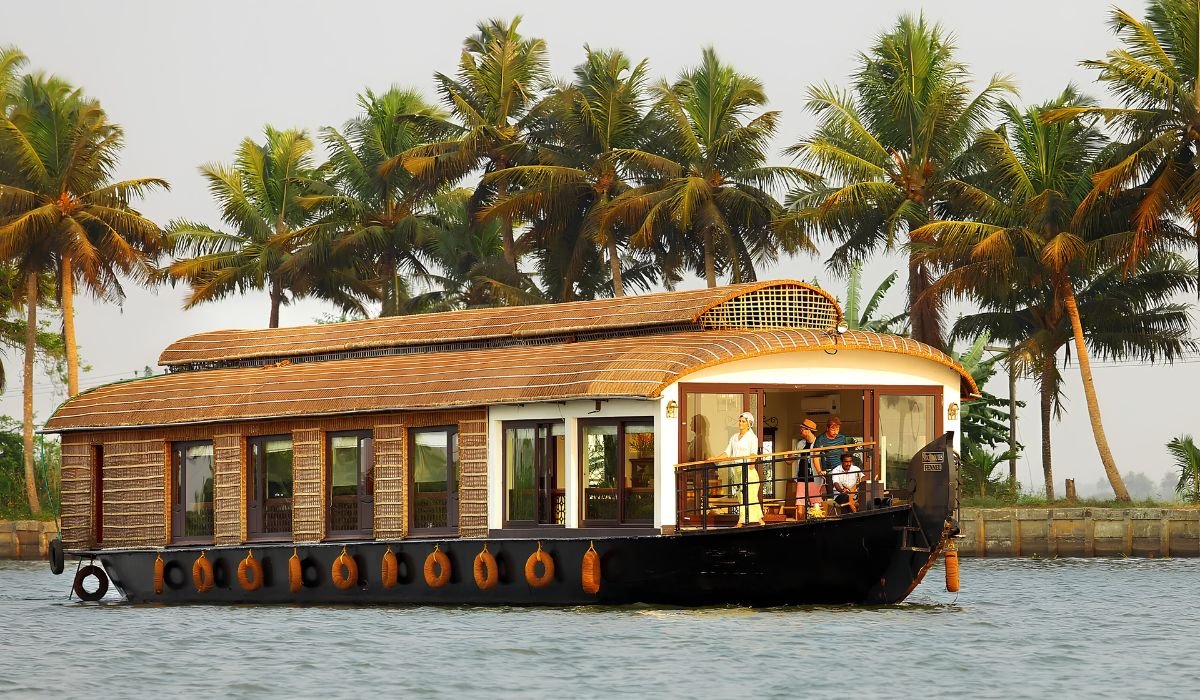
Late September and October can be interesting months for flexible travelers.
Rainfall patterns begin changing, landscapes can remain exceptionally green and tourist numbers may be lower than during the main winter season.
But this is also where regional differences become especially important.
Kerala, for example, can experience northeast monsoon rainfall from around October to December, while Karnataka’s weather varies substantially between its coast, Western Ghats and inland regions.
So rather than assuming that late September or October means uniformly dry weather, check the specific destinations on your itinerary.
Best Time to Visit South India by State
South India is easier to plan when you look at each major state individually.
Kerala
Best overall: October–March
Best for wellness and monsoon experiences: June–September
Best for comfortable sightseeing: November–February
Kerala experiences both the southwest and northeast monsoons, so rainfall can continue into the later part of the year.
For first-time visitors combining Kochi, Munnar, Thekkady and the backwaters, October to March is generally the easiest window.
If wellness and Ayurveda are the main reason for your trip, however, the monsoon months deserve consideration.
Tamil Nadu
Generally comfortable for sightseeing: November–February
Hotter period: March–May
Tamil Nadu is particularly attractive for travelers interested in temple architecture, heritage cities and cultural experiences.
Destinations such as Chennai, Mahabalipuram, Thanjavur and Madurai are much easier to explore when temperatures are more manageable.
If your trip focuses heavily on temple touring and walking between heritage sites, the cooler part of the year is usually more comfortable.
Karnataka
Generally favorable: October–February
Hotter period: March–May
Rainier period: June–September in many western and coastal areas
Karnataka has a particularly varied climate. Coastal Karnataka and the Western Ghats can receive substantial monsoon rainfall, while other parts of the state experience different conditions. Karnataka Tourism identifies October to February as a particularly favorable period for exploring the state.
For a journey combining Mysuru, Bengaluru, Coorg and wildlife destinations, October to February is a practical starting point.
Best Time to Visit South India by Travel Experience
The best time to visit South India depends largely on what you want to experience. A traveler planning a Kerala backwater journey may choose different months from someone focused on Tamil Nadu temples or Karnataka wildlife.
Kerala Backwaters
October to February is generally a comfortable period for exploring Kerala’s backwaters. The weather is more suitable for sightseeing and houseboat experiences, although conditions can vary between destinations.
If you’re planning a luxury Kerala experience, this is also a popular period, so premium houseboats and waterfront properties can fill up well in advance.
Ayurveda and Wellness
For Ayurveda and wellness travel in Kerala, June to September can be particularly interesting because of the monsoon environment and Kerala’s traditional association between the rainy season and Ayurvedic treatments.
October to March can also work well if you want to combine wellness with sightseeing, beaches and other experiences.
Tamil Nadu Temple Tours
November to February is generally more comfortable for exploring Tamil Nadu’s temples and heritage sites.
Destinations such as Madurai, Thanjavur, Mahabalipuram and Chennai can involve considerable outdoor walking, making the cooler months more appealing for travelers planning a culture-focused itinerary.
Hill Stations
Hill stations such as Munnar, Ooty and Coorg can be attractive alternatives during the warmer months.
March to June can work particularly well for travelers looking to escape the heat of the plains, although conditions vary depending on elevation and destination.
Wildlife Safaris
For wildlife destinations such as Periyar, Bandipur and Nagarhole, the drier months can provide good opportunities for wildlife viewing, but the ideal period varies by reserve, rainfall and the species you hope to see.
Rather than choosing your dates solely around a general “wildlife season,” it is better to match the timing to the specific national park or wildlife reserve on your itinerary.
South India Beach Holidays
For travelers primarily interested in beaches, November to February is generally a convenient period to consider.
This can also be a good time to combine coastal relaxation with cultural sightseeing, especially when traveling through Kerala, Tamil Nadu or Karnataka.
Luxury Multi-State Itineraries
If you want to combine Kerala, Tamil Nadu and Karnataka in one luxury journey, October to February is generally the easiest period to plan.
The region can still have different weather conditions from one destination to another, but this period provides a practical balance for travelers who want to experience several parts of South India during one trip.
Traveling During the Shoulder Season
If avoiding peak-season crowds is important, March and selected transition periods around September and October can be worth considering.
These months require a little more flexibility because weather conditions can vary, but they can provide quieter experiences and greater flexibility with accommodation.
The Bottom Line
There isn’t one perfect month for every South India experience.
October to February is generally the easiest choice for a first-time multi-region trip, while June to September can appeal to travelers specifically interested in Ayurveda, wellness and monsoon landscapes. Hill stations can also provide a cooler escape during the warmer months.
The key is to choose your travel dates based on the destinations and experiences you care about most, rather than treating South India’s climate as one uniform pattern.
South India Weather Month by Month
October
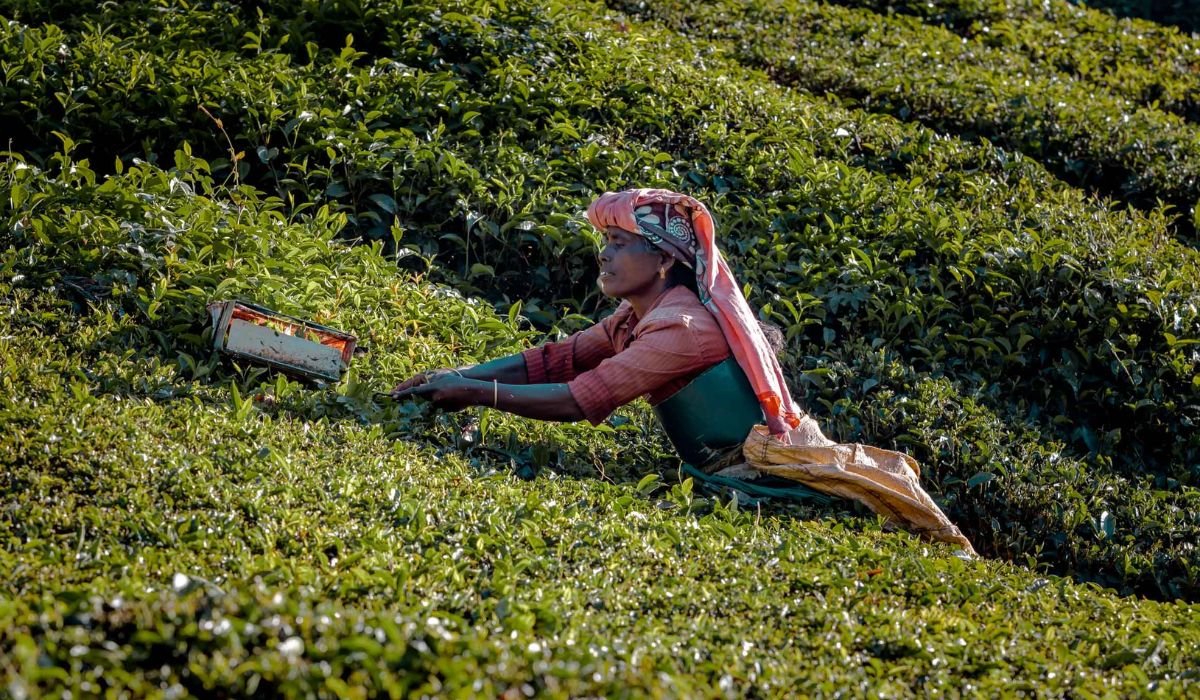
A transition month across several parts of South India.
Some destinations can offer excellent travel conditions, while others may still experience rainfall. It is a useful month for travelers who are flexible about their route.
November
Generally a strong month for cultural and sightseeing itineraries, although rainfall can still affect parts of the region.
Kerala’s northeast monsoon can remain relevant during this period.
December
One of the most popular travel months.
Weather is generally comfortable across many major destinations, but Christmas and New Year demand can make luxury hotels, houseboats and private guides harder to secure at short notice.
January
A popular month for sightseeing, heritage tours and multi-state itineraries.
Expect comfortable mornings in many destinations, although exact temperatures vary significantly between coast, plains and hill stations.
February
Another strong month for exploring South India before temperatures begin rising toward summer.
It works particularly well for travelers combining culture, nature, beaches and heritage.
March
A useful shoulder-season month.
Temperatures begin increasing, but many destinations remain comfortable enough for carefully planned itineraries.
April
Hotter conditions become more noticeable across many lowland destinations.
Consider emphasizing hill stations and resort stays if traveling during this month.
May
One of the hotter periods for many plains and cities.
Hill stations can provide a welcome alternative, particularly for travelers who prefer cooler surroundings.
June
The southwest monsoon becomes increasingly important, particularly in Kerala and western Karnataka.
This can be an excellent month for lush scenery and wellness-oriented travel.
July
Wet-season travel continues.
Travelers who enjoy green landscapes, resort stays and Ayurveda may appreciate this period, while sightseeing-heavy itineraries require greater flexibility.
August
Monsoon conditions remain important in several western and southern destinations.
Build extra flexibility into road journeys and outdoor activities.
September
A transition period in many parts of the region.
Conditions can vary considerably, making this a better choice for flexible travelers than those seeking completely predictable weather.
Best Time for a Luxury South India Tour
If you are planning a longer luxury journey covering several states, October to February is generally the simplest period to work with.
It allows you to combine experiences such as:
- Kerala backwaters
- Munnar
- Tamil Nadu temple towns
- Mysuru
- Karnataka wildlife
- South Indian beaches
- Heritage hotels
- Luxury resorts
- Private guided sightseeing
A longer private itinerary also gives you more flexibility to adjust the pace around weather.
For example, our Private South India Tours include destinations across Tamil Nadu, Kerala and Karnataka, combining temples, backwaters, hill stations, heritage and wildlife.
For international travelers, this kind of itinerary can be especially useful because you are not dependent on a fixed group schedule.
A Note on Booking Timing for UK, US and Australia Travelers
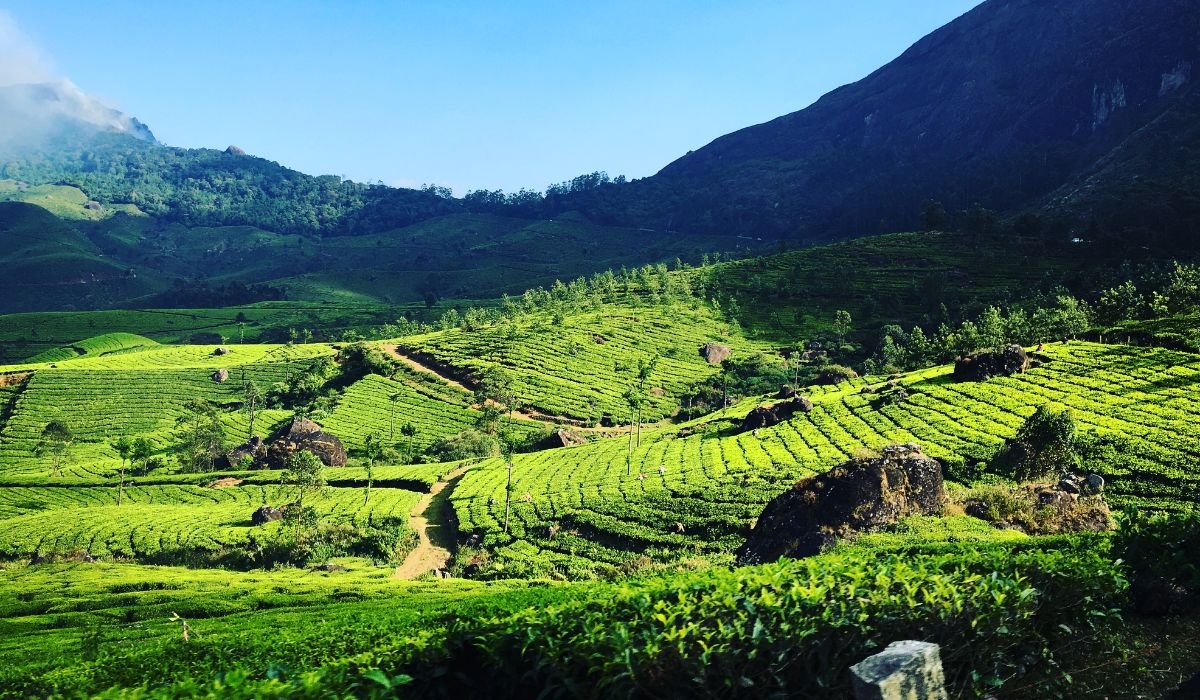
October to February overlaps with some of the most convenient holiday periods for overseas travelers, particularly Christmas, New Year and school holidays.
If you are planning to travel during December or January, it is sensible to start planning several months in advance.
This becomes even more important if you want:
- A specific luxury hotel
- A premium Kerala houseboat
- A private guide
- A particular wildlife lodge
- A heritage property
- A tailor-made multi-state itinerary
Shoulder-season travel can offer more flexibility, particularly when your dates are not fixed.
Should You Visit South India During the Monsoon?
Yes — but choose the experience carefully.
If your idea of a perfect holiday involves clear skies, long sightseeing days and beaches, the wetter months may not be your first choice.
If you prefer:
- Ayurveda
- Wellness
- Green landscapes
- Luxury resorts
- Photography
- Slow travel
- Fewer crowds
then monsoon travel can offer a completely different side of South India.
Kerala Tourism specifically highlights the distinctive character of the monsoon and its traditional connection with Ayurveda and rejuvenation therapies.
The key is to design the itinerary around the season rather than trying to ignore it.
Our Recommendation
For a first trip to South India, October through February remains the most straightforward choice for travelers who want comfortable sightseeing and the freedom to combine several regions.
If your trip is centered on Kerala’s Ayurveda and wellness traditions, however, the monsoon months can be worth considering.
Travelers interested in hill stations may also find April to June useful, while March can provide a practical shoulder-season alternative.
Ultimately, there is no single “perfect” month for everyone.
The best South India itinerary is the one that matches your travel dates, destinations and priorities.
Frequently Asked Questions
1. What is the best time to visit South India?
For most first-time travelers, October to March is the easiest period for a South India trip because conditions are generally comfortable across many popular destinations. However, the ideal month depends on whether your itinerary focuses on Kerala, Tamil Nadu, Karnataka, wildlife, beaches or Ayurveda.
2. Is October a good time to visit South India?
Yes, October can be a good month for South India, particularly for travelers planning a multi-region itinerary. However, October is also a transition period in parts of the region, and rainfall can vary considerably between destinations.
3. Is South India worth visiting during the monsoon?
Yes. Monsoon travel can be particularly appealing for travelers interested in Kerala’s lush landscapes, Ayurveda, wellness and slower-paced luxury experiences. Kerala experiences a southwest monsoon from around June and a second northeast monsoon period from around October.
4. What is the best time to visit Kerala, Tamil Nadu and Karnataka together?
For a multi-state itinerary, October to February is generally the easiest period to plan because it offers broadly favorable conditions across many popular destinations. However, rainfall and temperatures differ between states and individual regions.
5. How many days do you need for a South India luxury tour?
For a comprehensive multi-state luxury journey, two to three weeks allows considerably more time than a short itinerary. It gives travelers the opportunity to combine Tamil Nadu’s temples, Kerala’s backwaters and hill stations, and Karnataka’s heritage or wildlife without rushing between destinations.
Planning Your South India Journey
Weather is only one part of choosing the right travel dates.
The ideal itinerary also depends on how long you have, which destinations interest you, the pace you prefer and whether your priorities are culture, wildlife, wellness, beaches or relaxation.
Explore our Luxury South India Tour Packages for tailor-made journeys across Kerala, Tamil Nadu and Karnataka, or contact our team to plan a private itinerary around your preferred travel dates.