
Ask most travelers where to go for a luxury tiger safari in India, and they’ll say Ranthambore or Bandhavgarh. Few think to look south — and that’s precisely the opportunity. South India’s forests, tucked into the folds of the Western Ghats, offer something North India’s more famous reserves increasingly struggle to provide: genuine quiet, longer and more relaxed safaris, and some of the finest wildlife lodges in the country, without the vehicle convoys that can crowd a tiger sighting elsewhere.
This is a region shaped by one of the planet’s most significant ecosystems. The Western Ghats — a UNESCO World Heritage mountain range running down India’s western coast — are recognized as one of the world’s eight “hottest” biodiversity hotspots, home to staggering numbers of endemic species found nowhere else on Earth. Layered across Karnataka, Kerala, and Tamil Nadu, this single mountain chain supports tiger reserves, elephant corridors, cloud forests, and grasslands that together make up one of the most complete wildlife circuits anywhere in Asia. For travelers looking to combine these experiences into a broader itinerary, a South India Wildlife Tour can bring together the region’s forests, safaris, and wildlife destinations in one journey.
This guide covers ten of South India’s finest wildlife destinations — Kabini, Periyar, Bandipur, Nagarhole, Mudumalai, Wayanad, Anamalai, Eravikulam, Silent Valley, and Kudremukh — with the luxury lodges, signature activities, and best travel timing for each.
Why Choose South India for Wildlife Safaris?
South India’s protected landscapes sit almost entirely within the Western Ghats, and the numbers behind that designation are genuinely remarkable. The region is home to over 6,000 species of flowering plants, more than 500 species of birds, and significant populations of Asian elephants, tigers, leopards, gaur, sloth bears, and dhole (Indian wild dogs) — alongside a long list of endemic species found only within this stretch of mountains.
A few practical reasons this region increasingly draws serious wildlife travelers, luxury-focused and otherwise:
- Less crowded than many North Indian parks. South India’s reserves see a fraction of the vehicle traffic of Ranthambore or Jim Corbett during peak season, even at their busiest.
- Longer safari experiences. Several parks, particularly Kabini and Periyar, offer extended morning and evening safaris — and in Periyar’s case, boat safaris — rather than the tightly timed single-loop drives common elsewhere.
- Excellent luxury infrastructure. From Evolve Back’s palace-style lodges to CGH Earth’s eco-luxury philosophy, South India’s wildlife accommodation is genuinely world-class.
- Easy combination with Kerala’s backwaters, beaches, and heritage circuits. Few wildlife destinations anywhere let you follow a tiger safari with a backwater houseboat cruise and a Fort Kochi heritage stay within the same week.
- Rich biodiversity of the Western Ghats, a UNESCO World Heritage region recognized for both its ecological significance and its unusually high concentration of endemic species.
Unlike more crowded safari destinations, South India often provides a more intimate, relaxed pace — safaris here feel less like a race to beat other jeeps to a sighting, and more like a genuine immersion in the forest.
Part of what makes this possible is geography. Because so many of South India’s reserves — Bandipur, Nagarhole, Mudumalai, and Wayanad — sit within a single unbroken forest corridor, wildlife moves freely across state lines, and lodges can offer longer, more varied safari programming without the tight, single-zone permit systems that constrain some North Indian parks. It also means a serious wildlife trip through this region rarely feels repetitive: a few hours’ drive can take you from dry deciduous forest to misty tea-estate hills to a boat gliding across a jungle-fringed lake, each with a genuinely different character and species mix.
Quick Overview: South India’s Wildlife Destinations
1. Kabini, Karnataka
- Signature Wildlife: Black panther, tigers, elephants
- Best For: Luxury wildlife experiences and premium safari stays
2. Periyar, Kerala
- Signature Wildlife: Elephants and diverse wildlife
- Best For: Unique lake-based wildlife viewing and boat safaris
3. Bandipur, Karnataka
- Signature Wildlife: Tigers and diverse forest wildlife
- Best For: Classic jeep safari experiences
4. Nagarhole, Karnataka
- Signature Wildlife: Tigers, leopards and dholes
- Best For: Wildlife photography and serious safari experiences
5. Mudumalai, Tamil Nadu
- Signature Wildlife: Elephants and wildlife of the Nilgiri Biosphere Reserve
- Best For: Family-friendly safaris and nature experiences
6. Wayanad, Kerala
- Signature Wildlife: Birds, elephants and other forest species
- Best For: Peaceful nature trips and relaxed wildlife experiences
7. Anamalai, Tamil Nadu
- Signature Wildlife: Lion-tailed macaques, great hornbills and other rare species
- Best For: Spotting rare primates and bird species
8. Eravikulam, Kerala
- Signature Wildlife: Nilgiri tahr
- Best For: Mountain scenery, wildlife and trekking
9. Silent Valley, Kerala
- Signature Wildlife: Rich rainforest biodiversity
- Best For: Deep ecological experiences and rainforest exploration
10. Kudremukh, Karnataka
- Signature Wildlife: Grasslands, forest wildlife and diverse flora and fauna
- Best For: Combining trekking with wildlife and nature exploration
1. Kabini — India’s Premier Luxury Wildlife Destination
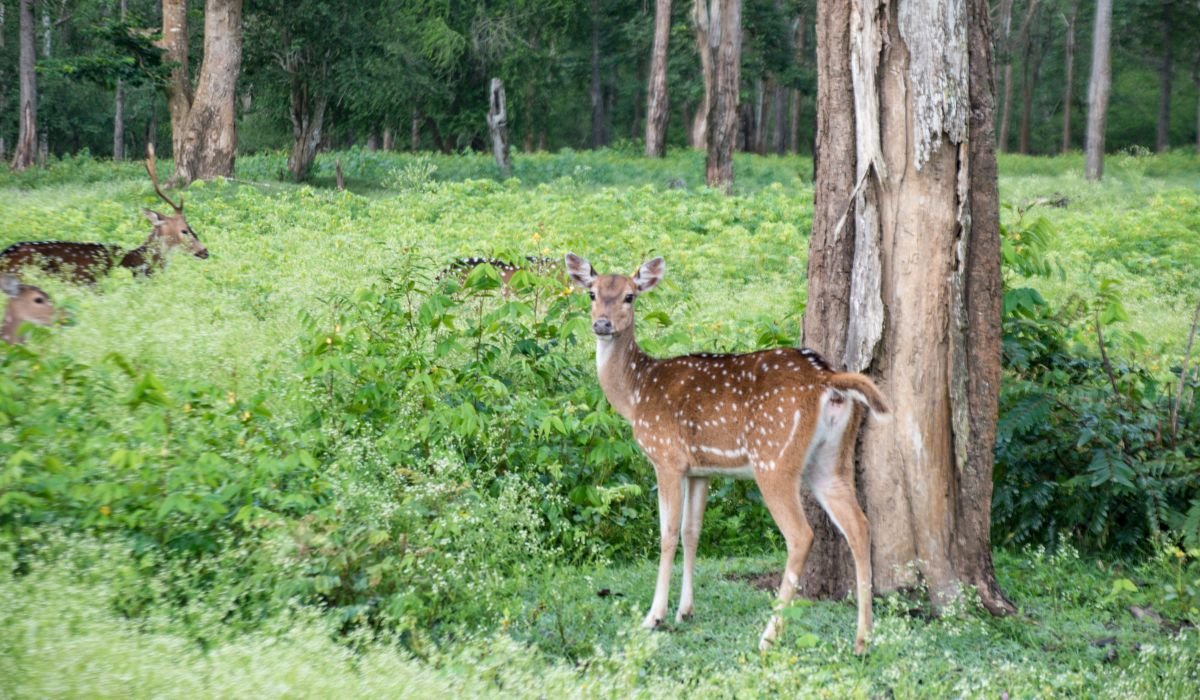
Kabini, on the backwaters of the Kabini River bordering Nagarhole National Park, has become South India’s flagship luxury safari destination — and its reputation for black panther sightings, particularly of a melanistic leopard nicknamed “Saya,” has made it a genuine bucket-list stop for wildlife photographers worldwide.
Combined with luxury: Few wildlife destinations anywhere pair this level of biodiversity with this level of hospitality. Kabini’s lodges sit directly on the river’s edge, with elephant herds visible from breakfast tables during the dry season, when animals congregate at the receding waterline.
Recommended luxury lodges: – Evolve Back, Kabini — individual thatched pool villas inspired by the local Kadu Kuruba tribal Hadis, with an infinity pool over the Kabini River and full Ayurvedic spa. –
The Serai Kabini — a well-regarded luxury lodge on the Kabini backwaters with strong safari and boat-safari programming. –
Kabini River Lodge (Jungle Lodges & Resorts) — a government-run heritage property, once a royal hunting lodge of the Maharaja of Mysore, offering a more traditional, naturalist-led safari experience. –
The Bison Resort — positioned at the confluence of Bandipur and Nagarhole, closest to the park gate, blending African-style tented luxury with old Raj-era lodge charm.
Kaav Safari Lodge, Kabini — An intimate boutique luxury lodge surrounded by forests and wildlife corridors, offering stylish villas, personalized service, guided safaris, and an immersive wilderness experience with a strong focus on sustainability.
Red Earth Kabini — A charming boutique luxury resort set along the Kabini backwaters, featuring private cottages, tranquil lakeside views, wellness experiences, and curated nature activities, making it ideal for guests seeking privacy and relaxation in a natural setting.
Suggested activities: Jeep safaris into Nagarhole, boat safaris along the Kabini backwaters (often the best way to see elephant herds up close), and guided nature walks with resident naturalists.
What makes it exceptional: Kabini’s dry-season “gathering” — when hundreds of elephants converge on the shrinking waterline in a single sweeping landscape — is considered one of the most dramatic wildlife spectacles anywhere in Asia, rivaling far more famous African gatherings.
Best time to visit: October to May, with the dry summer months of March to May offering the most dramatic wildlife concentrations along the receding waterline — though this is also when temperatures peak, so shoulder months (October–November, February–March) balance comfort and sightings well.
2. Periyar — Boat Safaris and Cardamom Hill Biodiversity
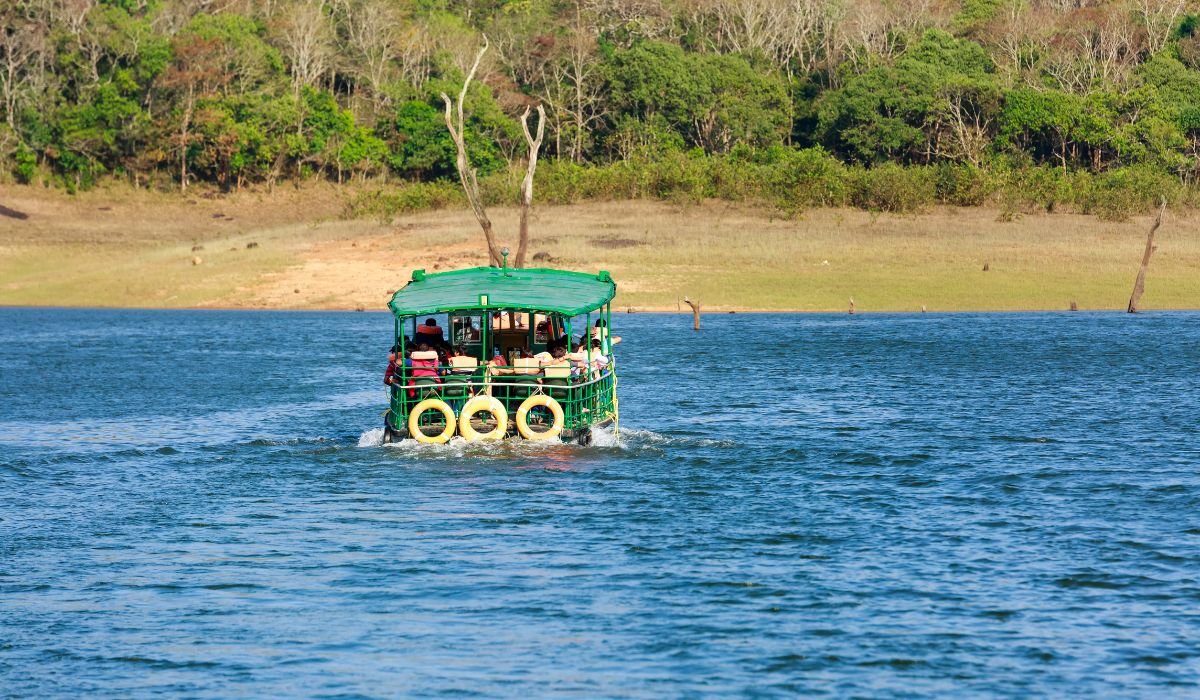
Periyar Tiger Reserve, around the town of Thekkady in Kerala’s Cardamom Hills, offers something genuinely different from the rest of this list: its signature safari happens by boat, gliding across Periyar Lake in search of elephants, bison, and — with patience — the reserve’s elusive tigers.
Combined with luxury: Periyar sits at altitude, giving it a cooler climate and a genuinely different landscape from the coastal and plains reserves elsewhere on this list — misty tea and cardamom estates rather than dry deciduous forest.
Recommended luxury lodges: – Spice Village (CGH Earth) — an eco-luxury property built in the style of traditional Mannan tribal dwellings, a short walk from the Periyar reserve boundary, with a full Ayurveda center.
Shalimar Spice Garden — an intimate 18-suite luxury property set amid cardamom-covered hills adjoining the sanctuary.
Cardamom County — a boutique plantation-style resort known for its secluded spice-garden setting.
Blanket Days Resort & Spa, Thekkady — A contemporary luxury retreat nestled amidst lush spice plantations and forested hills, offering elegantly designed rooms and villas, an infinity pool overlooking the valley, a premium spa, and curated nature experiences. The resort combines modern comfort with the serenity of Thekkady’s pristine landscape.
Hills & Hues, Thekkady — An award-winning luxury hillside resort perched above Thekkady’s spice plantations, renowned for its breathtaking panoramic views, stylish architecture, infinity pool, world-class hospitality, and beautifully appointed suites. It offers an exclusive escape where luxury meets the untouched beauty of Kerala’s Western Ghats.
Suggested activities: The signature Periyar Lake boat safari, guided walks through the buffer zone forest at dawn, and spice-plantation walks that double as excellent low-effort birdwatching.
What makes it exceptional: It’s one of the only tiger reserves in India where the primary safari happens entirely by boat — a fundamentally different, quieter way to encounter wildlife than the jeep-safari format used almost everywhere else on this list.
Best time to visit: October to March, when cooler, drier weather concentrates wildlife around the reservoir and makes boat safaris especially productive.
3. Bandipur — One of India’s Oldest Tiger Reserves
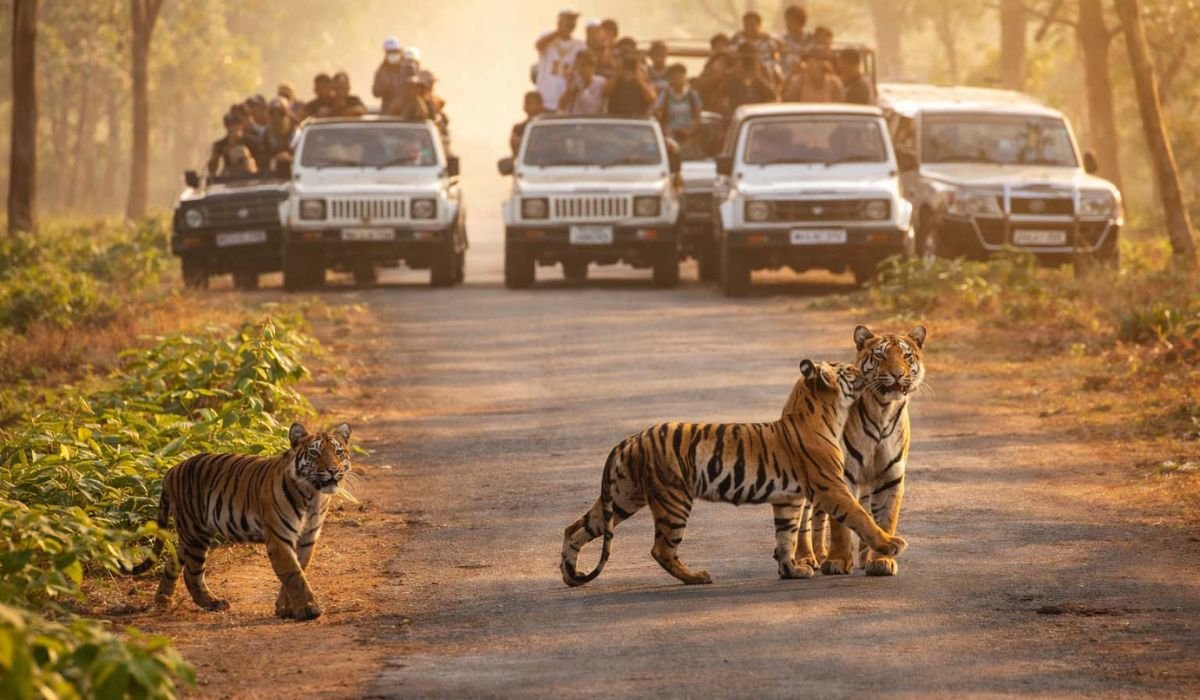
Established in 1974 as one of the founding reserves under Project Tiger, Bandipur is part of the vast Nilgiri Biosphere Reserve, contiguous with Nagarhole, Mudumalai, and Wayanad — together forming one of the largest protected wildlife corridors in Asia.
Combined with luxury: Bandipur’s proximity to Mysuru makes it an easy add-on to a Karnataka heritage circuit, letting travelers pair a morning safari with an afternoon at the Mysore Palace.
Recommended luxury lodges: – Bandipur Safari Lodge (Jungle Lodges & Resorts) — a well-regarded government-run lodge offering packaged stays with two guided jeep safaris
daily and knowledgeable resident naturalists. –
The Serai Bandipur — a luxury lodge on the reserve’s edge with strong reviews for both comfort and game viewing. –
The Windflower Jungle Resort & Spa BandipurA premium five-star jungle resort offering luxury cottages, a rejuvenating spa, and immersive safari experiences amidst the forests of Bandipur.
VIVIDEARTH Resort BandipurA contemporary luxury nature resort with spacious villas, modern comforts, and easy access to Bandipur’s safari gates.
Dholes Den An exclusive boutique luxury lodge surrounded by forest, offering personalized wildlife experiences and exceptional hospitality.
Suggested activities: Morning and evening jeep safaris, guided nature walks, and — from most lodges — an easy half-day combination with Mysuru’s palace and Somnathpur’s Hoysala temple.
What makes it exceptional: As one of India’s original nine Project Tiger reserves from 1973, Bandipur carries over five decades of dedicated conservation history — few reserves in the country can claim as long or as consistent a protection record.
Best time to visit: October to May; the dry months from February to May bring animals closer to waterholes, improving sighting odds, though early mornings can still be cool well into February.
4. Nagarhole — High-Density Predator Country
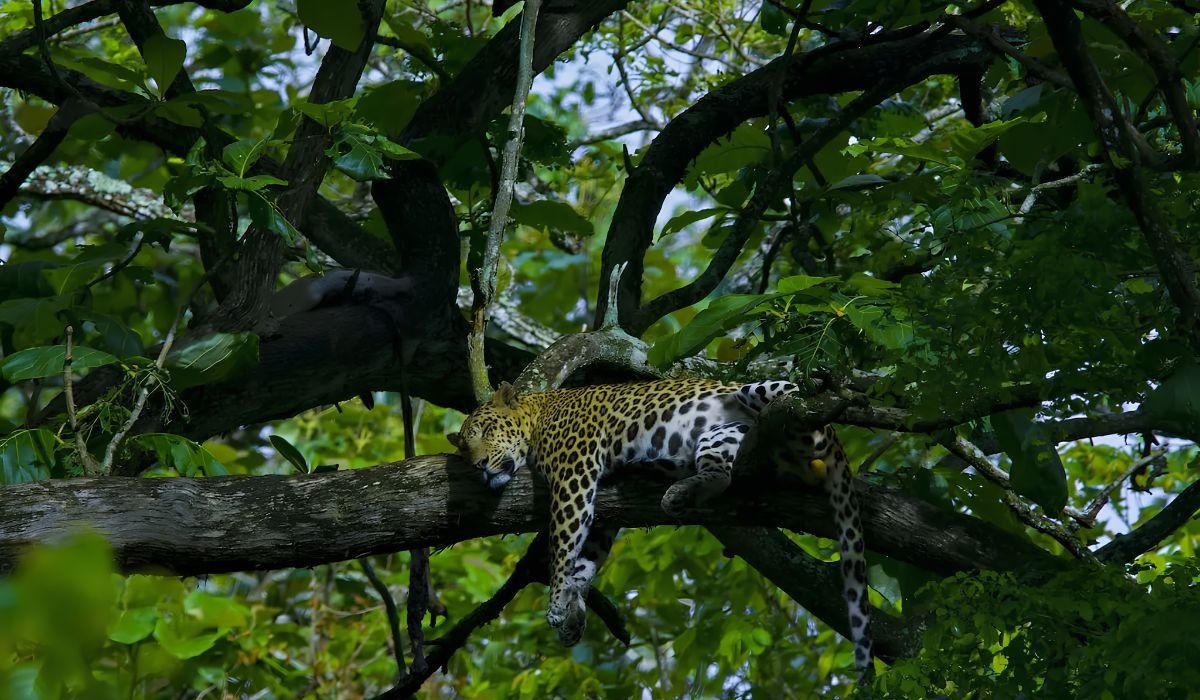
Sharing its southern boundary with Kabini and its western edge with Wayanad, Nagarhole National Park (officially Rajiv Gandhi National Park) is known among serious wildlife photographers for an unusually high density of tigers, leopards, elephants, and dhole packs within a relatively compact, accessible area.
Combined with luxury: Because Nagarhole and Kabini share the same ecosystem and lodging cluster, most travelers experience the two as a single destination — meaning Nagarhole’s exceptional predator density comes with access to some of South India’s best wildlife lodges.
Recommended luxury lodges: Evolve Back Kabini, The Serai Kabini, and Kaav Safari Lodge all offer direct access into Nagarhole’s safari zones, alongside the Kabini River Lodge.
Suggested activities: Dedicated photography safaris (several lodges offer specialist photography-focused jeeps and guides), dhole-tracking with resident naturalists, and combined jeep-and-boat safari days.
What makes it exceptional: Nagarhole’s dhole (Indian wild dog) packs are among the most reliably sighted in the country — a species far harder to encounter in most other Indian reserves, and a genuine draw for serious wildlife photographers.
Best time to visit: March to May for peak predator sightings around the receding Kabini reservoir; October to February for cooler, more comfortable safari conditions with slightly lower but still strong sighting rates.
5. Mudumalai — Elephant Country in the Nilgiri Biosphere Reserve
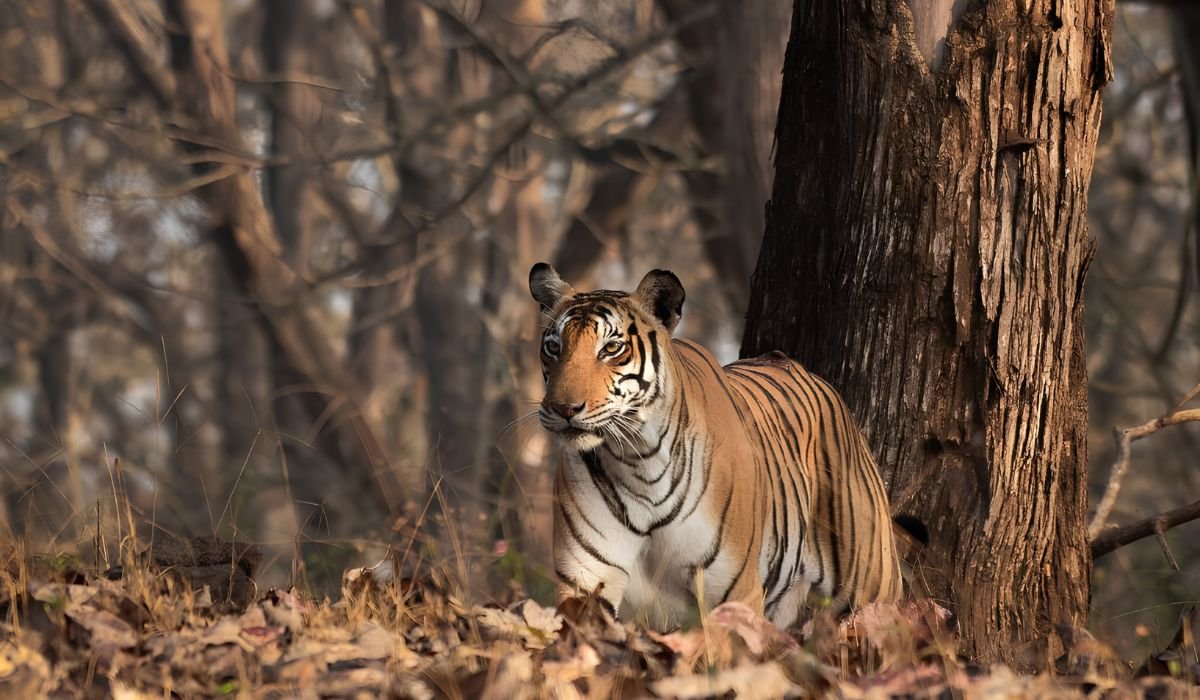
Mudumalai, in the Nilgiri foothills of Tamil Nadu, is one of India’s most important elephant reserves, part of the same unbroken forest corridor as Bandipur, Nagarhole, and Wayanad. Its position at the base of the Ooty hill road makes it a natural stop for travelers moving between the Nilgiris and the Mysuru wildlife circuit.
Combined with luxury: Mudumalai pairs naturally with a Nilgiri heritage stop — several travelers combine a safari morning here with an overnight in Ooty’s colonial-era hotels.
Recommended luxury lodges: A cluster of nature-focused resorts around Masinagudi and Bokkapuram, including properties built to resemble traditional tribal villages on the Kabini River side of the reserve, offer comfortable, wildlife-immersive stays geared toward serious safari travelers.
Wild Planet Resort An award-winning eco-luxury rainforest resort nestled in 100 acres of pristine Western Ghats wilderness near Mudumalai.
Wild Forest Jungle Resort – Masinagudi: A boutique jungle retreat nestled on the edge of Mudumalai Tiger Reserve, offering cozy forest cottages, guided nature walks, birdwatching, and an authentic wilderness experience amidst the Nilgiri forests.
The Tiger Paw ResortMasinagudi A premium jungle retreat bordering Mudumalai Tiger Reserve, offering luxury cottages surrounded by forest and frequent wildlife sightings.
Jungle HutMasinagudi An iconic luxury wildlife lodge set amidst lush greenery, renowned for its exceptional hospitality and immersive safari experiences
Secret IvoryMasinagudi An exclusive boutique forest retreat featuring luxury cottages and tree houses, perfect for wildlife lovers and photographers. (
Suggested activities: Jeep safaris focused on elephant herds, guided nature walks through the buffer zone, and birdwatching — the reserve hosts over 260 recorded bird species, including critically endangered vulture species.
What makes it exceptional: Mudumalai anchors one end of an unbroken forest corridor stretching through Bandipur, Nagarhole, and Wayanad — meaning the elephants you see here may range across all four reserves and three states within a single season.
Best time to visit: October to April, avoiding the heavy southwest monsoon months of June through September.
6. Wayanad — Kerala’s Peaceful Wildlife Sanctuary
Wayanad Wildlife Sanctuary sits at the meeting point of Kerala, Karnataka, and Tamil Nadu, contiguous with Nagarhole, Bandipur, and Mudumalai — meaning wildlife moves freely across all four reserves. Compared to its neighbors, Wayanad has a gentler, more contemplative character, making it a favorite for birdwatchers, families, and travelers who want nature without the intensity of a dedicated tiger-tracking safari.
Combined with luxury: Wayanad’s tea-and-spice hill landscape supports a genuinely different luxury aesthetic from the drier plains reserves — think misty valleys and lake views rather than dry deciduous forest.
Recommended luxury lodges: – Taj Wayanad Resort & Spa — a striking lake-island resort on Banasura Lake, built in vernacular North Kerala style using bamboo, natural stone, and Kannur terracotta. – Vythiri Village
Wild Planet Resort — immersive rainforest-set luxury properties near the Bandipur-Mudumalai border.
Mountain Shadows Resort An award-winning luxury retreat featuring private pool villas with spectacular views of Banasura Lake and the Western Ghats.
Vythiri Resort Wayanad A legendary rainforest luxury resort renowned for its treehouses, forest setting, and authentic Kerala hospitality.
Pepper Trail An exclusive heritage plantation retreat combining colonial elegance, luxury cottages, and immersive estate experiences.
GReaT trails Wayanad by GRT Hotels A boutique luxury lakeside resort offering contemporary comfort, wellness, and breathtaking mountain landscapes.
Morickap Resort Wayanad A premium hillside resort with elegant villas, infinity pool, and panoramic views near Banasura Sagar Dam.
Mount Xanadu Resorts A hilltop luxury boutique resort celebrated for its dramatic valley views, infinity pool, and romantic ambiance.
Suggested activities: Boating on Banasura Sagar Dam, guided treks through Muthanga and Tholpetty wildlife sanctuaries, and visits to Kuruva Island’s protected river-delta forest.
What makes it exceptional: Wayanad’s blend of tribal culture, tea country, and wildlife sets it apart from purely forest-focused reserves — a visit here can combine genuine wildlife viewing with insight into the Adivasi communities who have lived across this landscape for generations.
Best time to visit: October to May, with December to February offering the most pleasant hill-station climate.
7. Anamalai Tiger Reserve & Parambikulam National Park, Rare Primates and a Colonial Tea Estate Retreat
Anamalai Tiger Reserve, in the Western Ghats near Valparai, is best known among naturalists for two flagship species: the lion-tailed macaque, one of the world’s rarest primates, and the great hornbill, whose distinctive call echoes through the reserve’s rainforest canopy.
Combined with luxury: Anamalai’s most distinctive stay isn’t a conventional resort at all — it’s a genuine early-20th-century tea estate bungalow, offering old-world plantation luxury rather than a modern hotel experience.
Recommended luxury lodges: – Sinna Dorai’s Bungalow — a beautifully restored 1920s British plantation bungalow set deep within a working tea estate near Valparai, on the edge of the Anamalai Tiger Reserve. Deliberately unplugged (no TVs, minibars, or spas), it offers farm-to-table dining, colonial-era antiques, and genuinely close wildlife encounters, including regular gaur sightings on the estate itself.
Sinna Dorai’s Upper Paralai Bungalow A beautifully restored colonial tea estate bungalow offering bespoke luxury, gourmet cuisine, and spectacular plantation views.
Sirukundra Bungalow A 1917 heritage tea bungalow on the edge of the Anamalai Tiger Reserve, ideal for wildlife enthusiasts and photographers.
Stanmore Garden Bungalow Plantation Bungalow An elegant colonial residence surrounded by tea gardens, blending old-world charm with personalized hospitality.
MonicaGardenBungalow A peaceful plantation bungalow offering spacious accommodation amid lush tea estates and mountain scenery.
The Soul Bungalow An intimate luxury plantation stay with stylish interiors and panoramic Western Ghats views.
Valparai Jungle Stay Jungle Lodge A secluded forest retreat designed for travelers seeking close encounters with nature and wildlife.
Briar Tea Bungalows Ibex Resort A collection of restored colonial tea bungalows featuring heritage architecture, personalized service, and exclusive estate experiences near the Anamalai Tiger Reserve.
Mistly Plantation Bungalows Plantation Resort Luxury plantation cottages nestled amidst tea estates with easy access to wildlife, viewpoints, and forest trails.
Suggested activities: Guided nature walks through the tea estate and adjoining forest, birdwatching for the reserve’s hornbill population, and the spectacular 40-hairpin-bend drive up to Valparai itself, which passes through Anamalai’s forest corridor.
What makes it exceptional: Sinna Dorai’s Bungalow deliberately offers no televisions, minibars, or spa — its exceptional quality lies entirely in the setting, the food, and genuine proximity to wildlife, including gaur that regularly wander directly onto the estate grounds.
Best time to visit: November to February for the most comfortable hill weather; the monsoon months bring dramatic mist and greenery but limit trekking and wildlife visibility.
8. Eravikulam — Nilgiri Tahr and High-Altitude Scenery
Eravikulam National Park, roughly 15 kilometers north of Munnar, protects South India’s most important population of the endangered Nilgiri tahr, a mountain goat found only in the higher reaches of the Western Ghats. Once a British hunting ground, the park now centers on Anamudi, the tallest peak south of the Himalayas, and its high-altitude grasslands draw frequent comparisons to alpine scenery.
Combined with luxury: Eravikulam is best experienced as part of a Munnar-based stay, where several of Kerala’s finest boutique tea-estate resorts sit within easy reach of the park entrance.
Recommended luxury lodges: – Windermere Estate — an 18-room boutique retreat set amid working tea and cardamom plantations, with a tropical pool and library, roughly 15 kilometers from the park. –
Chandys Windy Woods – Munnar — a five-star property deliberately designed to avoid a “big hotel” feel, set among Munnar’s tea country.
– WGH Tall Trees Munnar — a nature-focused luxury resort with private cottages close to Eravikulam.
Nature Zone Resort : A unique luxury eco-resort featuring tree houses, luxury tents, and immersive rainforest experiences.
Suggested activities: Guided treks to view Nilgiri tahr at close range (the park’s population is famously habituated to visitors near the entrance), and drives to nearby viewpoints like Top Station and Rajamalai.
What makes it exceptional: The Nilgiri tahr here are so well habituated to visitors that close, unhurried sightings are almost guaranteed near the park entrance — a rare case where an endangered species can be observed at genuinely close range without the use of a vehicle or long lens.
Best time to visit: September to March; the park sometimes closes for a short period during the tahr calving season, so check current opening dates before planning around it.
9. Silent Valley — India’s Last Untouched Rainforest
Silent Valley National Park, in Kerala’s Palakkad district, is one of the last remaining tracts of undisturbed tropical evergreen rainforest in India, and one of the country’s most ecologically significant protected areas — the site of a landmark 1980s conservation movement that stopped a proposed hydroelectric dam and preserved the forest intact.
Combined with luxury: Silent Valley itself has limited luxury infrastructure by design — access is tightly controlled to protect the ecosystem — so most travelers base themselves in Coimbatore or palakkad or annikatti Silent Valley as a dedicated day excursion with a specialist naturalist guide. At a distance of 53 km from Palakkad, & 102 km from Coimbatore, Silent Valley National Park is a national park located in the northeast corner of Palakkad district in Kerala.
Recommended Stays Luxury & Premium Stays Nearby :
OxyValley Resorts (Agali, Attappadi): Spread across 32 acres of manicured land, this luxury property features hill-view suites, an infinity pool, an Ayurvedic spa, and stunning views of the Nilgiri hills.
Sterling Anaikatti: Located along the scenic River Bhavani, offering high-end cottage accommodations, premium hospitality, and modern comforts close to the border of the biosphere reserve.
SR Jungle Resort :- is a nature-focused retreat located in Anaikatti, Coimbatore, Tamil Nadu. It offers outdoor swimming pools, a multi-cuisine restaurant, and scenic views of the Western Ghats, situated roughly 40 km (about a 1-hour drive) from Coimbatore International Airport
Treetop Resort (Mukkali/Chindaki): Positioned very close to the park’s range office, offering individual upscale cottages, a clean pool, and peaceful nature integration.
Suggested activities: Guided rainforest walks with certified naturalists (general tourist access to the core zone is restricted), and birdwatching for endemic Western Ghats species found almost nowhere else.
What makes it exceptional: Silent Valley exists as a protected forest today only because of a landmark 1980s grassroots conservation campaign that stopped a hydroelectric dam project — making a visit here as much a piece of India’s environmental history as a wildlife experience.
Best time to visit: December to April, avoiding the heavy monsoon season when access can be further restricted.
10. Kudremukh — Trekking Through Grasslands and Rainforest
Kudremukh National Park, in the Western Ghats of Karnataka near Chikmagalur, is less a conventional safari destination than a trekking and landscape destination — its rolling grasslands, shola forests, and cool climate have earned it comparisons to alpine Europe, and it’s a favorite for travelers who want their wildlife experience paired with genuine hiking. Nearest Cities: Mangalore (approx. 100 km)
Combined with luxury: Kudremukh’s luxury scene is smaller and more intimate than Kabini’s or Wayanad’s, or Chikmagalur, Karnataka centered on boutique nature resorts rather than large-scale lodges.
Recommended luxury lodges: – Aayana Valley Resort — a nature-focused property with deluxe suites and cottages set beside a private valley stream, with an infinity pool overlooking the Western Ghats. – Boutique coffee-estate resorts around nearby Chikmagalur, offering a comfortable base for combining Kudremukh treks with plantation-country relaxation.
The Serai Chikmagalur An award-winning luxury retreat set amidst sprawling coffee plantations with elegant villas, a world-class spa, and breathtaking Western Ghats views.
Trivik Hotels & Resorts A five-star mountain retreat perched above the Mullayanagiri Hills, offering spacious suites with panoramic valley views and luxury amenities.
Java Rain Resorts A boutique luxury coffee estate resort blending contemporary design with immersive plantation experiences and gourmet dining.
Gateway Chikmagalur A premium hillside resort offering modern luxury, wellness facilities, and easy access to Chikmagalur’s coffee estates.
Honeydewwz Exoticaa Hotel & Resort A luxury nature resort surrounded by lush greenery, featuring spacious rooms, premium recreation, and warm Malnad hospitality.
Siri Nature Roost A tranquil plantation retreat nestled amid coffee estates, ideal for travelers seeking comfort, nature, and peaceful surroundings.
Villa Urvinkhan An exclusive luxury villa resort with forest-facing accommodations, an infinity pool, and personalized hospitality.
Captains Bungalow A charming boutique plantation stay that combines heritage elegance with modern luxury in a serene coffee estate setting.
Aralaguppe Heritage A restored heritage estate offering a unique blend of colonial charm, coffee plantation experiences, and boutique luxury.
Flameback Lodges An intimate luxury wilderness lodge near Bhadra Wildlife Sanctuary featuring private pool cottages and curated nature experiences.’
Suggested activities: Guided treks to Kudremukh Peak and through the park’s grassland-and-forest mosaic, and visits to nearby coffee estates.
What makes it exceptional: Its rolling, mist-covered grasslands look genuinely unlike anywhere else on this list — closer to the Scottish highlands or alpine Europe than to the dry deciduous forests of Bandipur or Mudumalai, despite sitting within the same Western Ghats range.
Best time to visit: October to March; the region is spectacular during the monsoon (June–September) but trekking access is significantly more limited during heavy rains.
Planning a Luxury Wildlife Circuit Through South India
Cluster your parks by ecosystem, not just state lines. Kabini, Nagarhole, Bandipur, Mudumalai, and Wayanad all sit within the same unbroken Nilgiri Biosphere Reserve corridor, meaning they can be combined into a single circuit without long transfers — a realistic 7–10 day safari-focused trip could cover three or four of these without excessive driving. Anamalai, Eravikulam, and Silent Valley cluster naturally around Munnar and the southern Western Ghats, while Kudremukh sits somewhat apart near Chikmagalur, better combined with a Karnataka coffee-country itinerary than with the Kabini cluster.
Invest in a specialist naturalist. As with birding, the single biggest factor separating an ordinary safari from a genuinely exceptional one is guiding quality. Kabini and Nagarhole in particular have built reputations around expert resident naturalists — worth specifically requesting when booking.
Boat safaris deserve their own time slot. Periyar and Kabini both offer boat-based wildlife viewing that operates on a different rhythm than jeep safaris — quieter, slower, and often better for elephant sightings. Don’t treat it as an afterthought to the jeep safari; budget a full session for it.
Season shapes sightings more than location does. Across nearly every park on this list, the dry season from February through May brings animals closer to shrinking water sources, dramatically improving sighting odds — but also brings South India’s hottest weather. October through January offers a comfortable middle ground: cooler temperatures with still-strong wildlife activity.
Pack for both jungle and altitude. This region spans everything from hot, dry deciduous forest at Bandipur to cool, misty tea country at Munnar and Valparai — layered clothing, a good rain shell for monsoon-season travel, and sturdy walking shoes will serve you well across the full circuit.
Combine safaris with Kerala’s backwaters and heritage circuit. Few wildlife regions anywhere let you follow a Kabini tiger safari with a Kumarakom backwater cruise and a Fort Kochi heritage hotel stay within the same week — South India’s compact geography makes this kind of contrast trip unusually easy to build.
Book photography-specific safaris in advance if that’s your priority. Standard shared jeeps aren’t ideal for serious photography, since seating and stopping time are shared among guests with different interests. Several lodges at Kabini and Nagarhole offer dedicated photography vehicles with extended stopping time and a naturalist trained specifically in positioning for light — worth requesting well ahead of peak season, when these slots fill first.
Factor in permit and vehicle limits. Most Karnataka and Tamil Nadu reserves cap the number of safari vehicles allowed in at any one time, particularly during December–March peak season. This is part of what keeps South India’s parks feeling less crowded than their North Indian counterparts, but it also means permits can sell out — book safaris as early as your lodge allows, ideally at the same time you confirm your room.
Sample 10-Day Luxury Safari Circuit
For travelers wanting a concrete starting point, here’s how the Nilgiri Biosphere cluster can be strung together into a single, realistic trip:
- Days 1–3: Kabini. Fly into Bengaluru or Mysuru, then transfer to Evolve Back Kabini or The Serai Kabini. Two full days of jeep and boat safaris into Nagarhole, with the third morning reserved for a final safari before departure.
- Days 4–5: Bandipur. A short drive from Kabini (roughly 1.5–2 hours) to Bandipur Safari Lodge, with morning and evening safaris and an optional afternoon detour into Mysuru for the palace.
- Days 6–7: Wayanad. Cross into Kerala and check into Taj Wayanad Resort & Spa on Banasura Lake, balancing a gentler pace of boating, birdwatching, and tribal-culture visits against the more intensive safari days that came before.
- Days 8–10: Munnar and Eravikulam. Drive up into the tea hills to Windermere Estate or Fragrant Nature Munnar, with a dedicated morning for Nilgiri tahr viewing at Eravikulam and, if time allows, a day trip toward Anamalai or Silent Valley before departing via Kochi.
This routing keeps driving distances reasonable throughout, moves from the drier plains reserves toward the cooler high-altitude parks, and ends within easy striking distance of Kochi for onward travel or a Kerala backwaters extension.
Frequently Asked Questions
Which South Indian park offers the best chance of seeing a tiger?
Nagarhole and Bandipur consistently report among the highest tiger densities in South India, though sightings are never guaranteed anywhere — patience and a good naturalist matter more than the specific park.
Is South India better for beginners or experienced wildlife travelers?
Both. Kabini and Periyar are excellent starting points for first-time safari travelers thanks to their strong lodge infrastructure and varied activities (boat safaris alongside jeep drives), while Nagarhole and Anamalai reward more experienced wildlife photographers chasing specific species.
How many parks can I realistically visit in one trip?
Three to four parks within the Nilgiri Biosphere corridor (Kabini, Nagarhole, Bandipur, Mudumalai, Wayanad) is a comfortable target for a 10–12 day trip. Adding Munnar’s cluster (Eravikulam, Anamalai, Silent Valley) or Kudremukh extends this significantly, given the distances involved.
Do I need to book safaris in advance?
Yes, particularly at Kabini, Nagarhole, and Bandipur during peak season (December–March), where jeep permits are limited and can sell out weeks ahead. Most luxury lodges handle safari bookings directly as part of your stay — confirm this at the time of booking.
Is it safe to combine a safari trip with young children?
Generally yes — Wayanad and Periyar in particular are considered relatively gentle, family-friendly introductions to wildlife travel, with boat safaris and shorter forest walks that suit a wider range of ages than a full-day jeep safari.
What’s the difference between a jeep safari and a boat safari?
Jeep safaris follow fixed forest tracks in a small open vehicle, typically with a driver and naturalist, and are the standard format at Bandipur, Nagarhole, Mudumalai, and most of Kabini. Boat safaris, offered at Periyar and as an option at Kabini, move slowly along a lake or river, tend to be quieter, and are often better suited to spotting elephants, water birds, and animals that come down to drink.
Are these parks suitable for serious wildlife photographers?
Yes — Nagarhole, Kabini, and Anamalai in particular have strong reputations among photographers, and several lodges now offer dedicated photography safaris with modified vehicles, extended time at sightings, and guides experienced in positioning for light and angle rather than just ticking off species.
Final Thoughts
South India’s wildlife circuit rarely gets the international attention of Ranthambore or the Maasai Mara, and that’s precisely its advantage. Here, a boat glides silently across Periyar Lake at dawn while elephants drink at the shoreline; a black panther slips through Kabini’s teak forest with barely another vehicle in sight; and a century-old tea estate bungalow in Valparai offers a wildlife experience as much about atmosphere as about animal counts. For travelers who want their luxury paired with genuine wilderness — and a little more room to breathe than India’s more famous reserves currently offer — South India’s forests are one of the country’s best-kept secrets.