
South India offers a remarkable journey through centuries of religious traditions, architectural achievements and cultural heritage. From the towering gopurams of Tamil Nadu to the intricately carved temples of Karnataka and the peaceful sacred sites of Kerala, every destination reveals a different part of the region’s history. For travellers seeking something beyond conventional sightseeing, luxury temple experiences in South India offer an opportunity to explore these remarkable places through Private South India Tours, knowledgeable local guides, heritage accommodation and carefully planned itineraries.
A temple visit here is not simply about admiring architecture. It can also introduce visitors to traditional music, regional customs, ancient craftsmanship and everyday religious practices. With thoughtful planning, you can experience South India’s spiritual heritage while enjoying comfortable travel arrangements.
Why Explore South Indian Temples on a Luxury Cultural Tour?
South Indian temples are among the most distinctive examples of traditional Indian architecture. Many were developed under powerful dynasties, including the Cholas, Pallavas, Pandyas and Vijayanagara rulers.
Their architectural details, stone sculptures, enormous gateways and elaborate halls reflect the artistic achievements of different historical periods.
A luxury cultural tour offers several advantages:
Private transportation: Travel between temples and heritage destinations in a comfortable vehicle.
Knowledgeable local guides: Understand the history, architecture and traditions behind important monuments.
Flexible sightseeing: Spend more time exploring locations that interest you.
Premium accommodation: Stay in selected luxury resorts, heritage properties and comfortable hotels.
Cultural experiences: Discover traditional crafts, regional cuisine, music and local customs.
These experiences are particularly valuable for international travellers who want to understand South Indian culture rather than simply visit popular attractions.
1. Meenakshi Amman Temple, Madurai: Experience Tamil Nadu’s Architectural Heritage
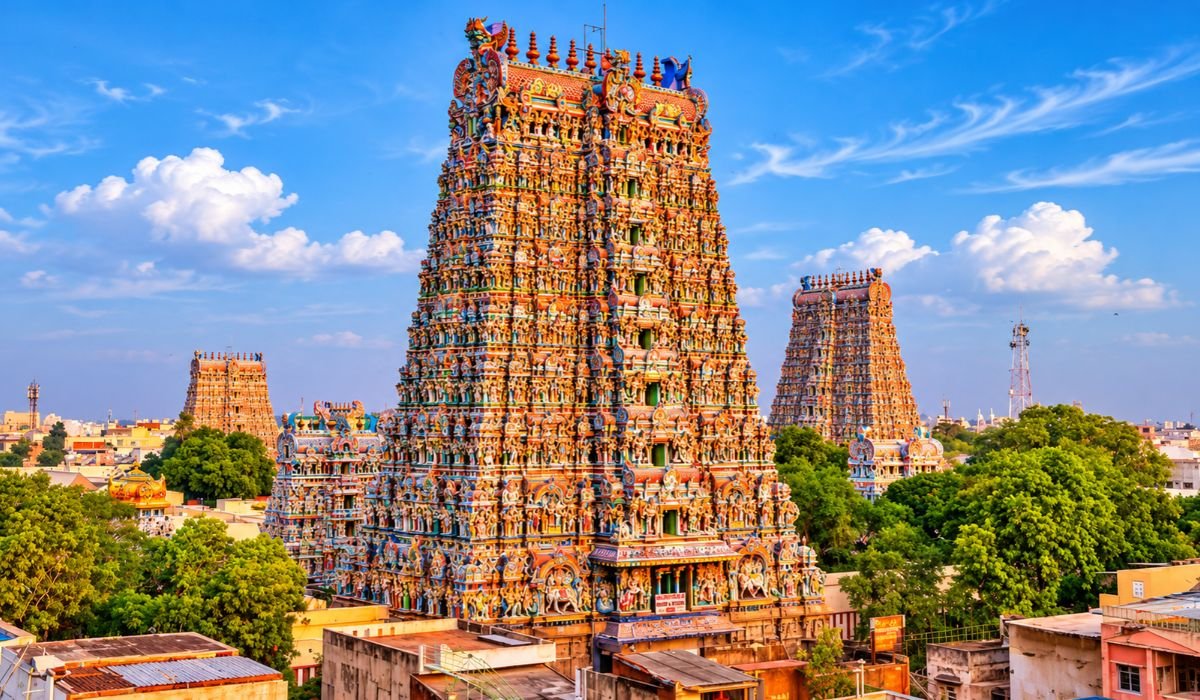
Located in Madurai, the Meenakshi Amman Temple is one of the most recognisable religious landmarks in Tamil Nadu.
Dedicated to Goddess Meenakshi and Lord Sundareswarar, the temple is known for its colourful gopurams, detailed sculptures and expansive architectural complex.
The towering gateways feature thousands of colourful figures representing deities, mythological characters and traditional decorative designs.
Experiences Worth Exploring
Admire the detailed sculptures and impressive temple gateways.
Learn about the historical importance of Madurai from a knowledgeable guide.
Explore the surrounding traditional markets and local streets.
Discover the cultural significance of temple festivals.
Experience traditional Tamil cuisine at selected local restaurants.
The surrounding city also offers opportunities to understand the relationship between religious traditions, local commerce and everyday Tamil culture.
Luxury travel tip: Plan your visit with enough time to explore the surrounding heritage areas. Check the temple’s current visitor rules, opening hours and photography restrictions before arriving.
2. Brihadeeswarar Temple, Thanjavur: Discover the Legacy of the Chola Dynasty
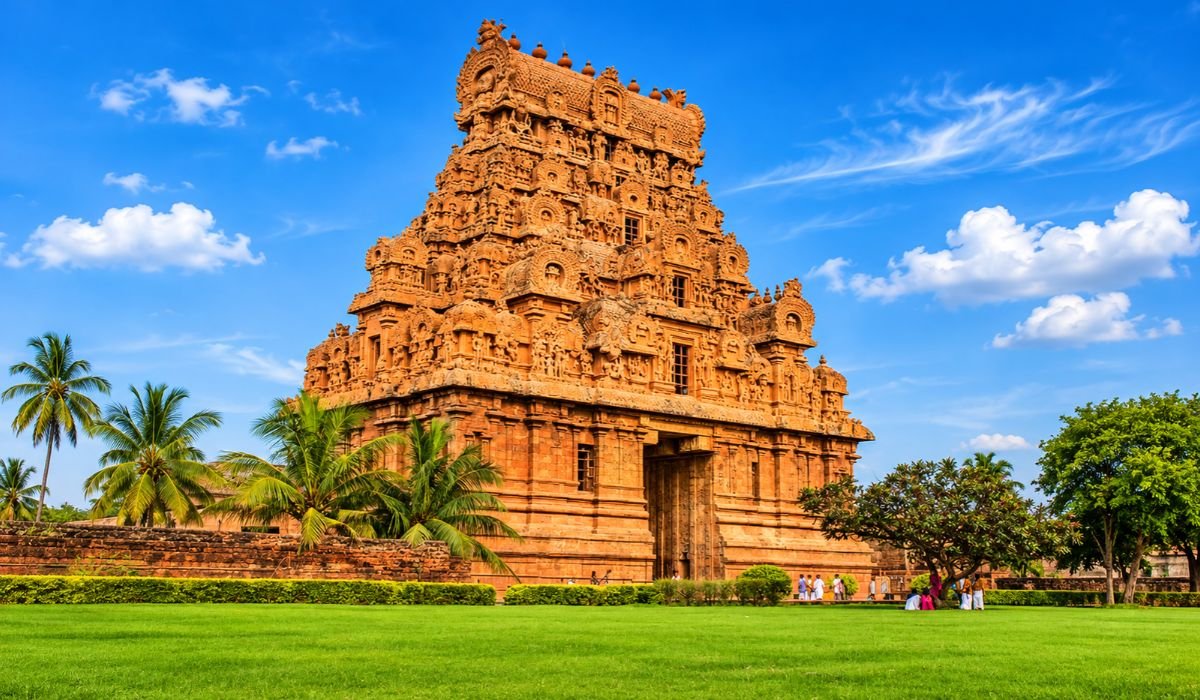
The Brihadeeswarar Temple in Thanjavur is one of India’s most remarkable examples of Chola architecture.
Built during the reign of Rajaraja Chola I in the 11th century, this magnificent temple is recognised as part of the UNESCO-listed Great Living Chola Temples.
Its enormous vimana, stone construction and carefully designed architectural proportions demonstrate the engineering and artistic achievements of the Chola period.
Experiences Worth Exploring
Observe the impressive temple tower and detailed stone carvings.
Understand the history of the Chola dynasty.
Explore the temple’s inscriptions and artistic details with a knowledgeable guide.
Discover traditional bronze sculpture and Chola craftsmanship.
Explore other historical attractions in Thanjavur.
For travellers interested in architecture and history, this temple offers an especially rewarding experience.
It is also an excellent opportunity to understand how royal patronage influenced religious architecture and artistic development in South India.
3. Shore Temple, Mahabalipuram: Explore Ancient Coastal Architecture
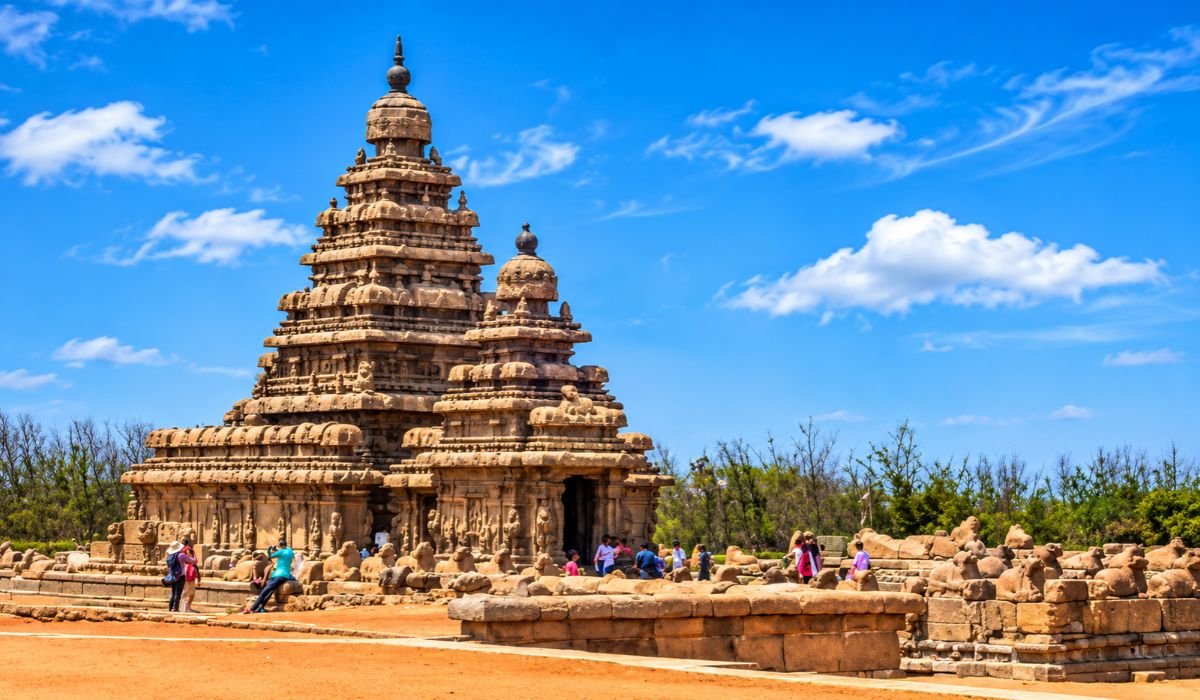
The Shore Temple in Mahabalipuram offers a different temple experience because of its dramatic coastal setting.
Overlooking the Bay of Bengal, this historic monument dates to the Pallava period and forms part of the UNESCO World Heritage-listed Group of Monuments at Mahabalipuram.
Unlike some of the larger active temples in South India, the Shore Temple is primarily a historic monument and archaeological attraction.
Its stone structures, coastal surroundings and architectural details make it particularly appealing to travellers interested in history and photography.
Experiences Worth Exploring
Explore the historic temple complex.
Learn about Pallava architecture and its influence on South Indian temple design.
Discover nearby monuments, including the Five Rathas and Arjuna’s Penance.
Enjoy coastal scenery and photography opportunities.
Explore local stone-carving traditions.
Luxury travel tip: Consider visiting Mahabalipuram as part of a coastal itinerary from Chennai. You can combine heritage sightseeing with a stay at a premium coastal resort.
4. Virupaksha Temple, Hampi: Discover the Spiritual Heritage of Vijayanagara
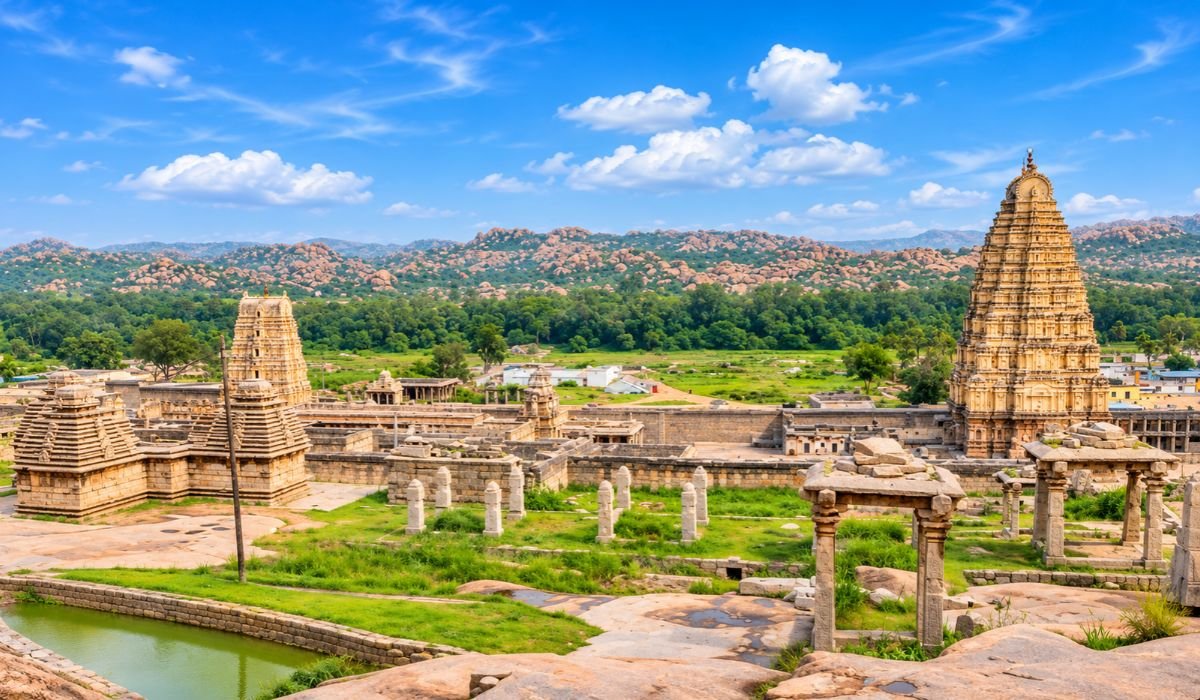
Hampi, located in Karnataka, is famous for its extraordinary collection of historic monuments and ancient ruins.
The Virupaksha Temple is one of its most important religious landmarks and remains an active place of worship.
Dedicated to Lord Shiva, the temple is closely associated with the history of the Vijayanagara Empire.
Its impressive gateway, traditional carvings and surrounding historic landscape create a distinctive cultural experience.
Experiences Worth Exploring
Explore the temple’s architectural features and historic surroundings.
Learn about the Vijayanagara Empire and its cultural influence.
Discover the nearby stone chariot and Vittala Temple complex.
Explore Hampi’s ancient market streets and historic structures.
Enjoy the region’s distinctive rocky landscape.
Hampi is especially suitable for travellers who want to combine religious heritage with archaeology and historical exploration.
5. Padmanabhaswamy Temple, Thiruvananthapuram: Discover Kerala’s Royal Religious Heritage
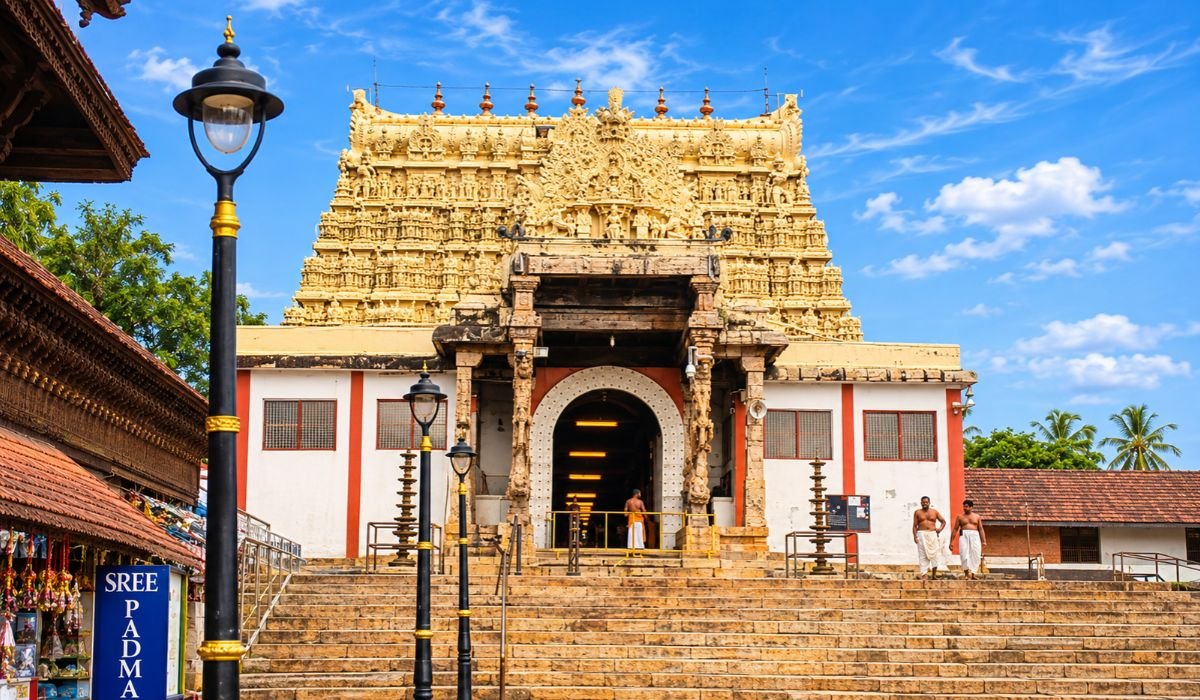
The Sree Padmanabhaswamy Temple is one of Kerala’s most significant religious landmarks.
Dedicated to Lord Vishnu, the temple is closely connected with the history of the former Travancore royal family.
Its traditional Kerala-Dravidian architectural elements, impressive entrance tower and religious significance make it an important destination for understanding the region’s cultural heritage.
Experiences Worth Exploring
Admire the temple’s traditional architectural features from permitted areas.
Learn about its connection with the Travancore royal family.
Explore Thiruvananthapuram’s historical attractions.
Discover Kerala’s traditional art, architecture and cuisine.
Understand the importance of temple traditions in local culture.
Important visitor information: Entry rules are particularly important at this temple. Access to the inner temple is restricted to eligible Hindu devotees, and visitors should check current official requirements before planning a visit.
International travellers can still explore the city’s wider heritage attractions and learn about the temple’s architectural and historical significance from permitted areas.
6. Ramanathaswamy Temple, Rameswaram: Experience a Sacred Pilgrimage Destination
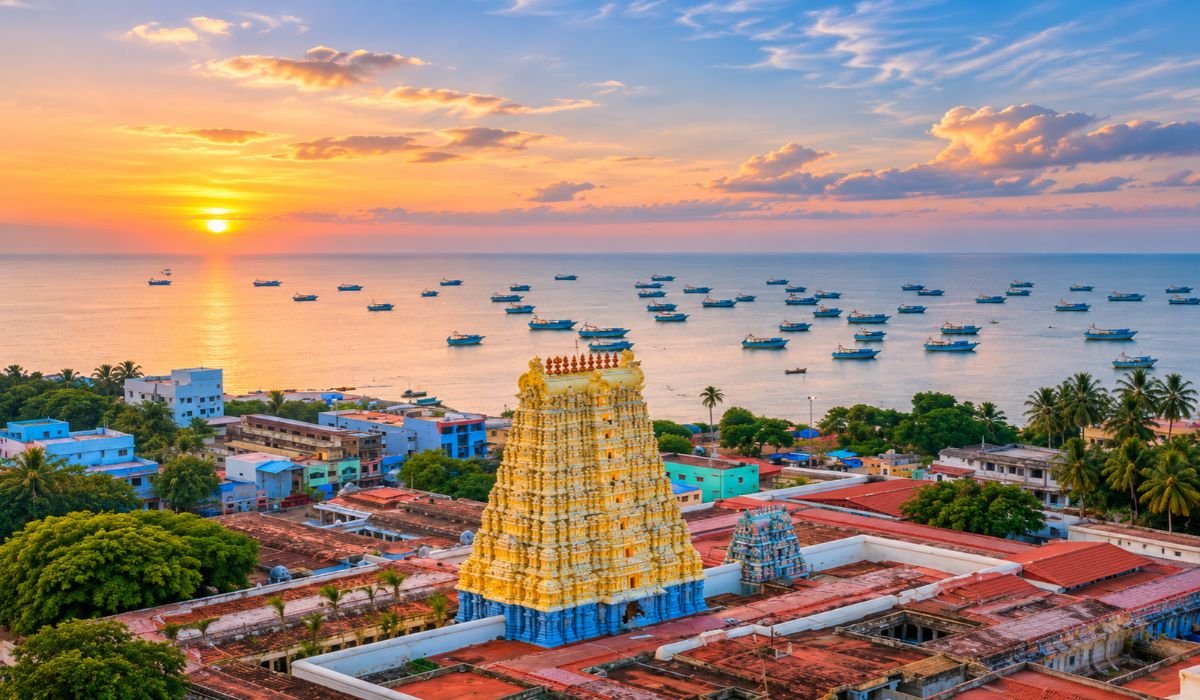
Rameswaram is one of India’s important pilgrimage destinations and is particularly known for the Ramanathaswamy Temple.
Dedicated to Lord Shiva, the temple is recognised for its remarkably long pillared corridors, detailed architectural elements and religious significance.
It is also associated with the Char Dham pilgrimage tradition.
Experiences Worth Exploring
Admire the temple’s impressive pillared corridors.
Learn about the religious importance of Rameswaram.
Explore the town’s coastal surroundings.
Visit nearby heritage and pilgrimage locations.
Understand traditional pilgrimage practices.
For international travellers, Rameswaram provides an opportunity to discover a different dimension of South Indian culture, particularly its religious traditions and coastal heritage.
7. Explore South Indian Temple Architecture and Traditional Arts
One of the most interesting parts of visiting South Indian temples is understanding the architectural styles and traditional craftsmanship behind them.
The region’s temples are not all designed in the same way. Their structures reflect different dynasties, historical periods and regional influences.
Some important architectural features include:
Gopuram: A large, decorated entrance tower commonly found in Dravidian temple complexes.
Vimana: A tower constructed above the main shrine.
Mandapam: A pillared hall used for religious ceremonies and other temple activities.
Stone sculptures: Detailed carvings depicting deities, mythology and historical themes.
Temple tanks: Sacred water bodies associated with religious rituals and temple traditions.
Beyond architecture, many temple towns are also connected with classical music, traditional dance, bronze sculpture and regional handicrafts.
Travellers can explore these traditions through museums, cultural centres, artisan workshops and performances where available.
8. How to Plan a Luxury South India Temple Tour
Planning a temple-focused holiday requires more than selecting famous attractions. Travel distances, local customs, entry restrictions and regional weather should all be considered.
Here are a few useful planning suggestions.
Choose Destinations That Work Together
Avoid covering too many distant locations during a short holiday.
For example:
Tamil Nadu: Chennai, Mahabalipuram, Thanjavur and Madurai.
Karnataka: Hampi and Mysore.
Kerala: Thiruvananthapuram and nearby cultural destinations.
You can combine destinations from different states if you have sufficient time.
Arrange Comfortable Transportation
Private transportation makes travelling between temple towns more convenient, particularly when visiting several destinations.
A dedicated vehicle also provides flexibility for sightseeing stops and hotel transfers.
Select Suitable Accommodation
Choose well-located premium hotels and heritage properties that provide convenient access to your sightseeing destinations.
Some heritage stays can also introduce travellers to regional architecture, traditional cuisine and local hospitality.
Understand Temple Entry Requirements
Not every temple allows unrestricted entry to all visitors.
Some places have specific rules concerning clothing, footwear, photography, mobile phones and religious eligibility.
Always check the current requirements before travelling.
Best Time to Experience South Indian Temples
The ideal time for temple sightseeing depends on the destination, local weather and festival calendar.
Winter (October to February): Generally comfortable weather for exploring many destinations across South India.
Summer (March to May): Temperatures can be high in many inland areas, so early morning visits are preferable.
Monsoon (June to September): Rainfall may affect outdoor sightseeing, particularly in Kerala and coastal areas.
For travellers planning a multi-destination holiday, October to February is generally a practical period for exploring many South Indian temple towns.
However, festival dates can create particularly interesting cultural experiences, so check local calendars before confirming your itinerary.
For more detailed seasonal planning, read our guide to the best time to visit South India.
Frequently Asked Questions
1. Which are the best temples to visit in South India?
Some of the most notable temples include Meenakshi Amman Temple in Madurai, Brihadeeswarar Temple in Thanjavur, Shore Temple in Mahabalipuram, Virupaksha Temple in Hampi and Ramanathaswamy Temple in Rameswaram.
Each offers a different combination of architectural, historical and cultural significance.
2. Can foreign tourists visit South Indian temples?
Many South Indian temples welcome visitors, including international tourists. However, certain temples have specific religious eligibility requirements. Visitors should check the official entry rules before planning a visit.
3. What should tourists wear when visiting temples in South India?
Modest clothing is generally recommended. Some temples require traditional attire or have specific dress codes. Visitors should check individual temple regulations before arriving.
4. Are photography and mobile phones allowed inside South Indian temples?
Rules vary between temples. Some allow photography in designated areas, while others prohibit cameras and mobile phones inside the premises. Always follow displayed instructions and local guidance.
5. How many days are needed for a South India temple tour?
A focused Tamil Nadu temple itinerary may require approximately 7–10 days, depending on the destinations included. A broader journey covering Karnataka or Kerala may require 12–15 days or more.
6. What makes a luxury temple tour different from a regular sightseeing tour?
A luxury temple tour can include private transportation, knowledgeable guides, carefully selected accommodation, flexible sightseeing arrangements and additional cultural experiences. However, luxury arrangements do not provide special religious access or exemptions from temple regulations.
Experience South India’s Cultural and Spiritual Heritage
South India’s temples offer much more than impressive architecture. They tell stories of ancient dynasties, religious traditions, artistic achievements and the cultural identity of different communities.
From the magnificent Brihadeeswarar Temple in Thanjavur to the coastal beauty of Mahabalipuram and the historic landscape of Hampi, every destination offers something distinctive.
A thoughtfully planned luxury journey allows you to explore these remarkable places at a comfortable pace while discovering the traditions that make South India special.
Whether you are interested in temple architecture, cultural heritage or traditional experiences, South India offers a rewarding journey for travellers who want to explore beyond conventional sightseeing.